Monday, December 11, 2017

37 Unexpected Holiday Gifts for Photographers

For photographers, the perfect gift can far outlast the holidays, whether it's an extraordinary camera, a thought-provoking yook, or a life-changing experience. In honor of the season, our editors put together this list of 36 inspirational, unforgettable, quirky presents. There's something here for every photographer: the fine artists, the photojournalists, the portraitists, the foodies, and everyone in between. The majority of them were recently included in our epic giveaway at  The Print Swap exhibition and holiday party at ROOT Studios.
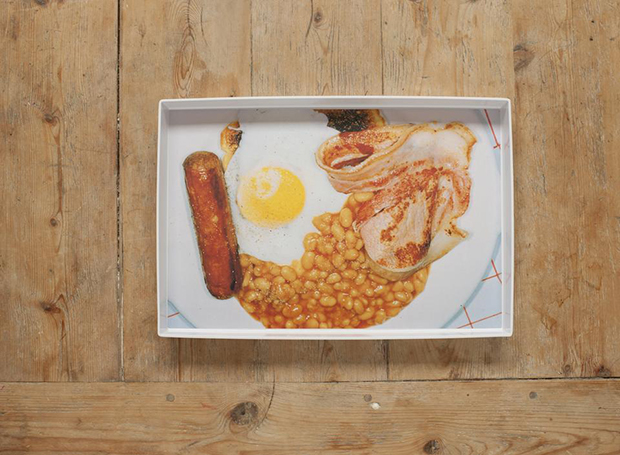
Magnum Photos English Breakfast Tray with Photo by Martin Parr, £42.50 Thanks to the Plinth/Magnum partnership, you can now purchase your very own breakfast tray printed with an image from Martin Parr's famous 1995 book British Food. Magnum once wrote of the work, "Close-up, ring flashed images of everyday food from all parts of Britain invites the public to take a look at what they eat." In the case of this tray, that's taken to a clever and literal extreme.
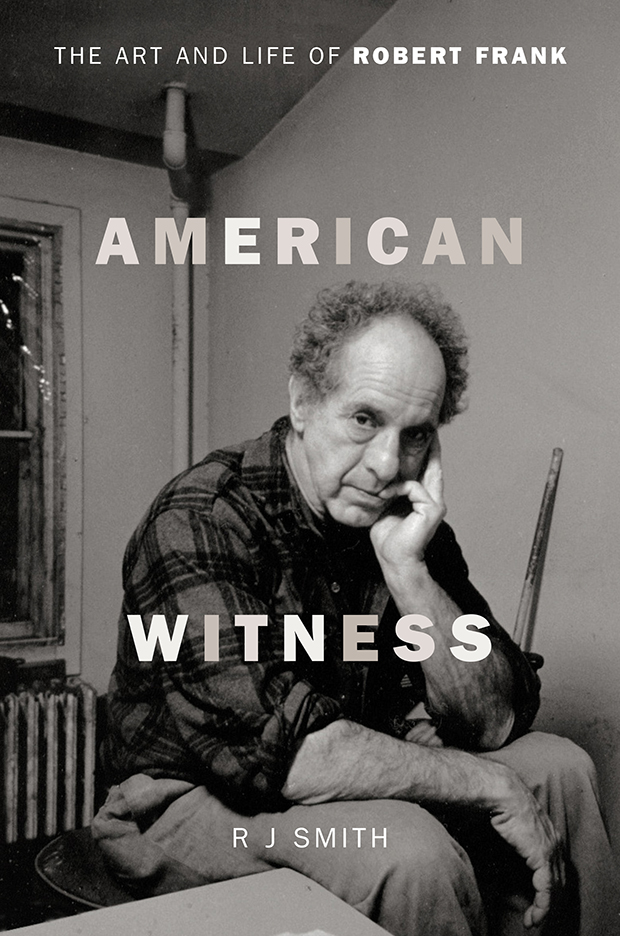
American Witness: The Art and Life of Robert Frank by R J Smith, published by Da Capo Press $22.48. Robert Frank left Switzerland in 1947 when he traveled to the United States, a country he would help define with The Americans. 70 years and tens of thousands of photographs later, the writer R J Smith tells the story of the person behind the pictures, tracing Frank's journey as a young man in 1950s-60s New York, through his filmmaking days, and up until the present moment.
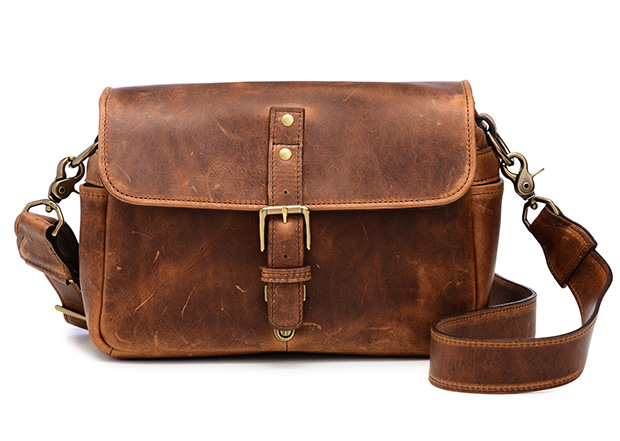
Leather Bowery camera bag by ONA, $249.00 With five pockets and a cushioned interior, the Bowery Bag by ONA is designed to carry a camera along with a couple of extra lenses and other small items. Because the strap is detachable, the Bowery Bag can be used on its own or as a protective insert for a bigger bag. This bag is made with full-grain, Italian-tanned leather, embellished with antique brass. Thanks to ONA's Storytelling Fund, $10 of every purchase goes to grants for emerging photographers.
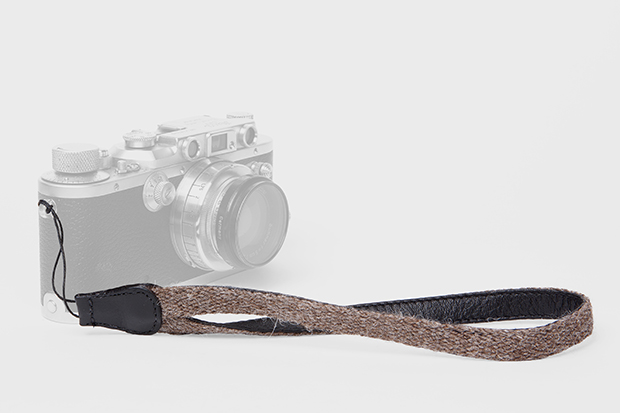
Cecilia Camera Straps, $40.00-$104.00 Cecilia offers camera and wrist straps in full-grain Argentinian cowhide leather and Peruvian baby alpaca textiles. Cecilia straps have been refined over decades, with the family business dating back five generations. Many of their straps are handmade in NYC.
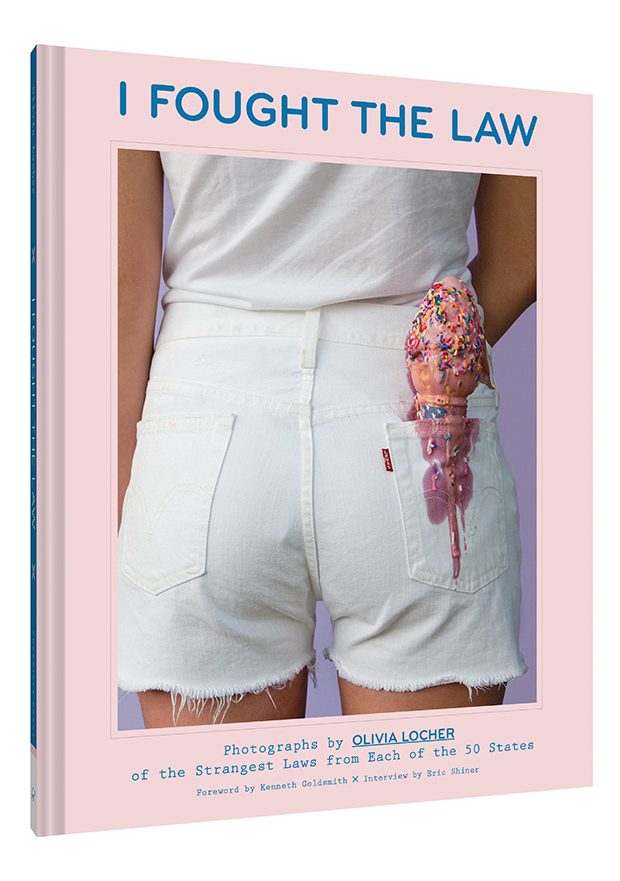
I Fought the Law: Photographs by Olivia Locher of the Strangest Laws from Each of the 50 States, published by Chronicle Books $16.95. Olivia Locher breaks some of the most outlandish laws in the United States in this volume of photographs that took the Internet by storm. With a forward by Kenneth Goldsmith and an interview by Eric Shiner, I Fought the Law takes us to all 50 states, revealing the often invisible sense of humor and absurdity that lingers behind our legal system. The transgressions photographed in the book include carrying an ice cream cone in one's back pocket (illegal in Alabama), perming a child's hair (illegal in Nebraska), serving wine in teacups (illegal in Kentucky), and many more.
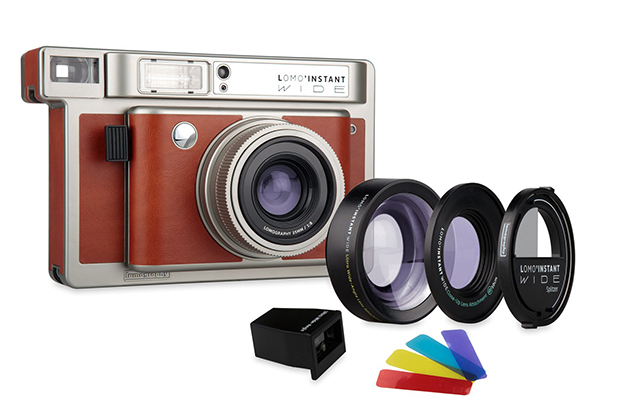
Lomo'Instant Wide Central Park + Lenses, $259 The Lomo'Instant Wide offers a new format for instant photos. Because it uses Fuji Instax Wide film, this camera captures images at twice the width of Instax Mini film. With two lens attachments and the ability to take large-format long exposures, color-flashed exposures, and multiple exposures, it even has a Fully Programmatic Shutter and Remote Control Lens Cap.
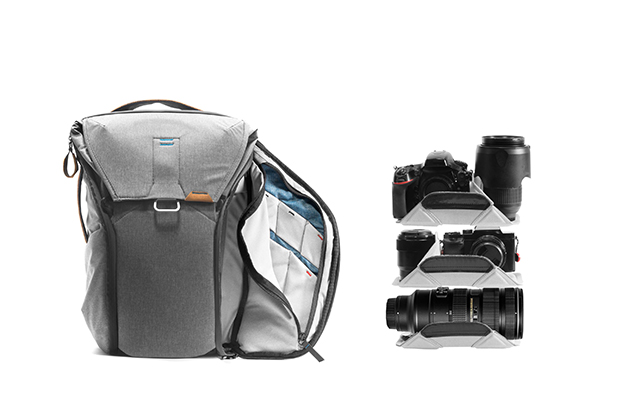
The Everyday Backpack, Everyday Tote, and Everyday Messenger Bag by Peak Design, $259.95,$189.95, and $219.95 These award-winning bags are perfect for photographers on the go, providing easy access to all your gear. Made of Weatherproof 400D nylon, these bags are easily customizable and expandable, accommodating cameras, lenses, laptops, drones, and all your other gear in one sleek and convenient package. 1% of every Peak Design sale goes to environmental non-profits.
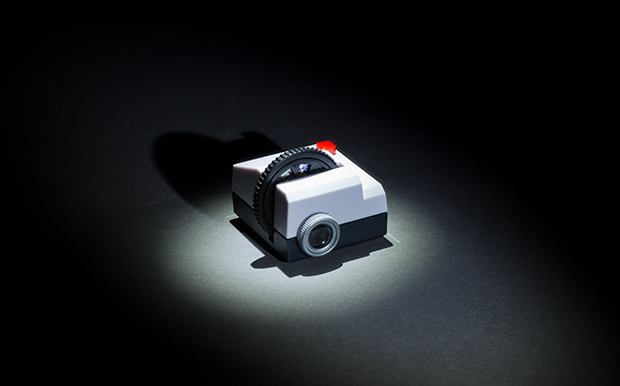
Projecteo, the tiny Instagram projector, $39.98 This fun, little projector might be compact, but it's powerful enough to display your favorite images at whatever size you desire. Combining digital convenience with analog nostalgia, Projecteo allows you to select nine images from Instagram, which are then developed onto 35mm slide film and mailed to your doorstep.
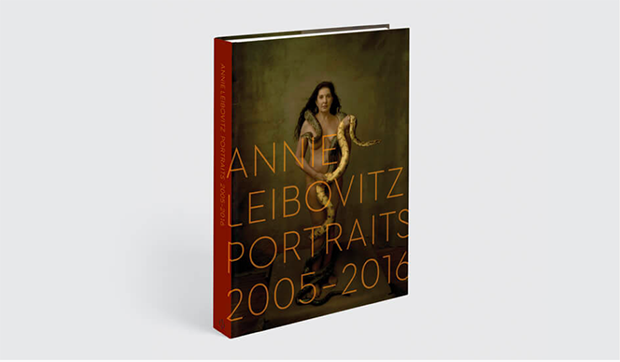
Annie Leibovitz: Portraits 2005-2016, published by Phaidon, $89.95 Picking up where Annie Leibovitz: Photographs, 1970-1990 and A Photographer's Life, 1990-2005 left off, this new volume further enriches our understanding of one of the most talked-about photographers in history. This book features familiar images and those that have never been published, providing insight into Leibovitz as well as the many famous people who stood before her.
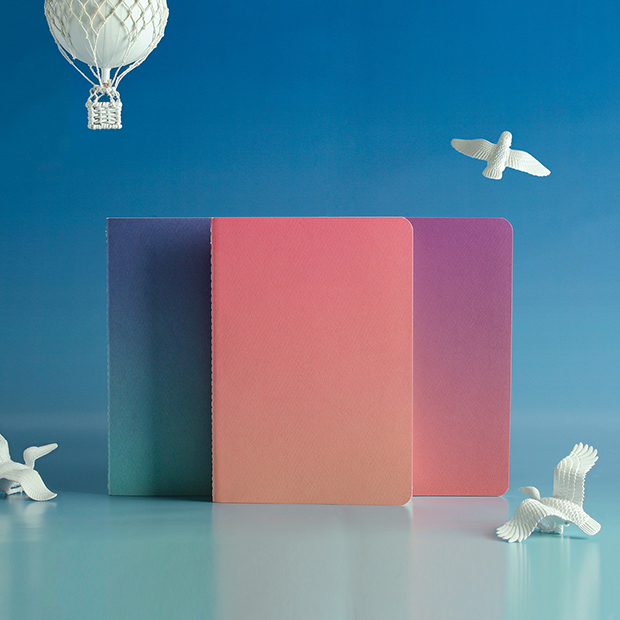
Clear Sky Vanguard Notebook by Baron Fig, $14.00 This limited edition of the Vanguard Notebook by Baron Fig comes in packs of three with blank paper and a soft cover, perfect for on-the-go inspiration. Keep track of your ideas in notebooks of three shades, each representing the sky during a time of day: sunrise, mid-day, and sunset.
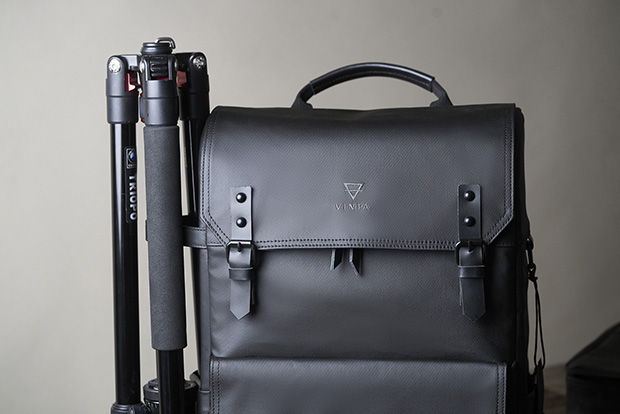
VINTA Camera Bag, $178-$228 Thousands of S Series/TYPE I VINTA camera bags have flown off the shelves since it was introduced last year. Now, VINTA is getting ready to introduce the TYPE II bag, updated with additional attachment straps, expandable side pockets, easy-access, intuitive compartments, and new materials for superior durability. The TYPE II bag has both a travel pack and a camera pack, making it suitable for adventures in the city and the rugged wilderness.
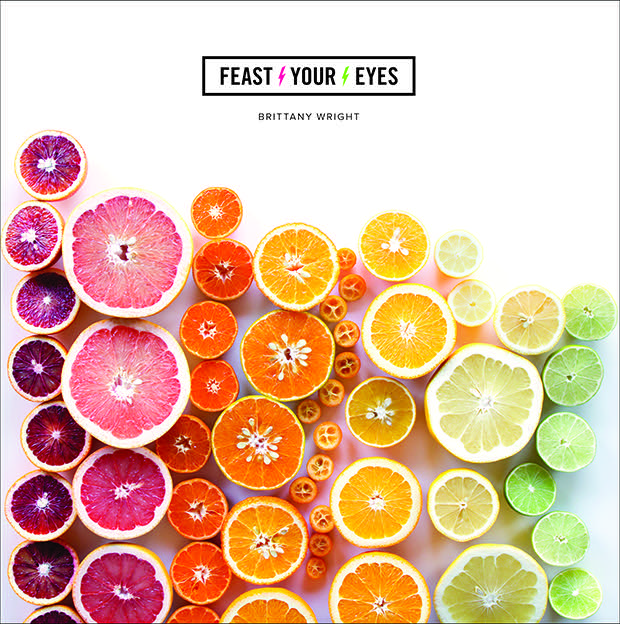
Feast Your Eyes by Brittany Wright, published by Little, Brown and Company, $20 Behind the global #foodgradient phenomenon is the photography Brittany Wright, whose colorful edible arrangments have graced Instagram feeds all over the world. In this book published by Little, Brown and Company, we find some of her most vivid and spectacular creations. As Food Network's Dish once raved, "Cooking is a form of making order out of chaos, but no one makes order out of a random assembly of ingredients like freelance photographer Brittany Wright."
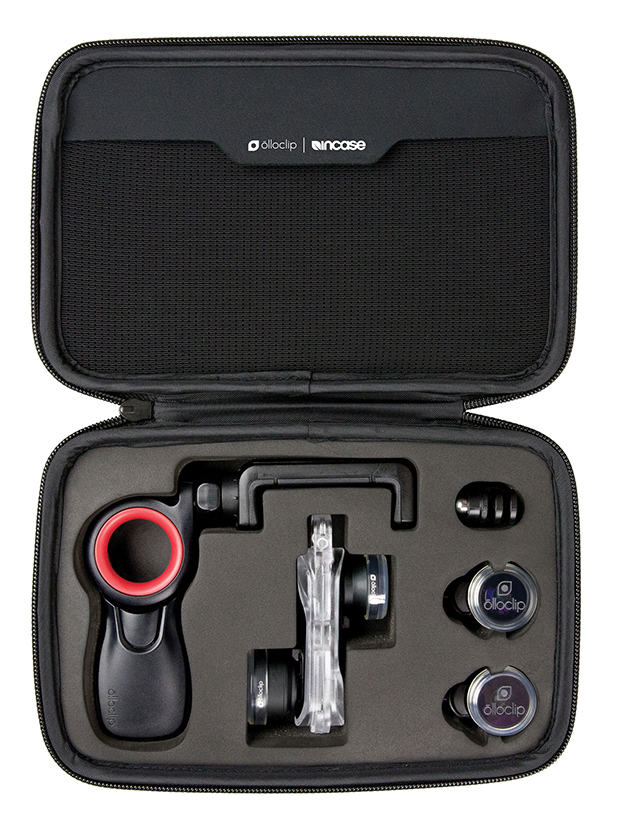
olloclip Filmer's Kit, $199.00 olloclip and Incase teamed up to create this custom kit for iPhone 7/7 Plus for videographers and photographers on the move. The kit includes a variety of five lenses for the iPhone and a video grip in one lightweight, convenient package. Less than 2000 kits are available, so get yours quickly.
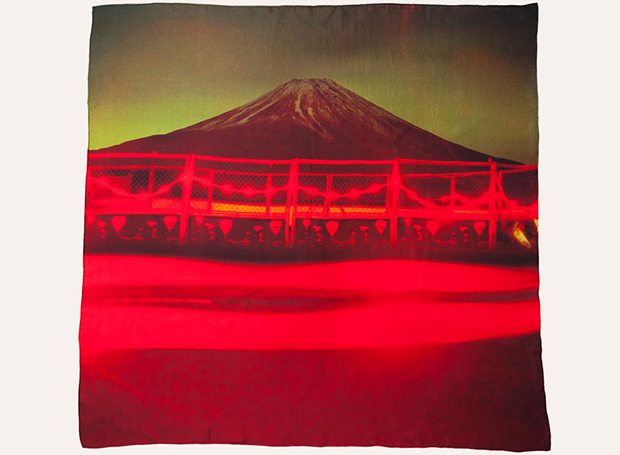
Magnum Photos Silk Scarf with Photo by Chris Steele-Perkins, £140 In celebration of the 70th Anniversary of the founding of Magnum Photos, Plinth presents a collection of objects made using some of the most recognizable photographs from the agency's history. On this silk scarf, we find one of Chris Steele-Perkins's iconic pictures of Mount Fuji.
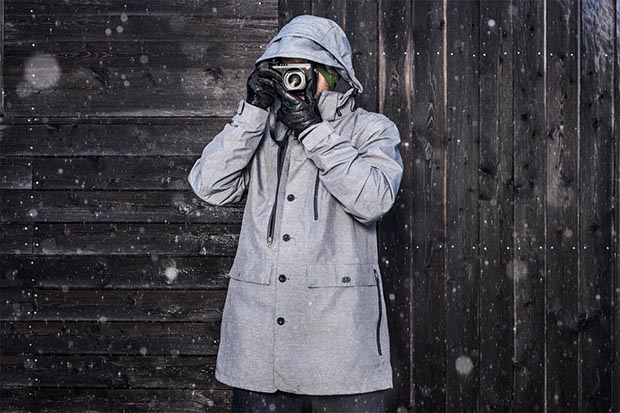
Field Jacket by COOPH, €398.00 Made with waterproof, 100% cotton EtaProof® material originally made for WWII-era British Hurricane helicopter pilots, these jackets keep your body and your gear protected. They're also comfortable, combining durability and ease of use. Large and hidden pockets are built in with photographers in mind. "Despite the beatings it has taken over the last 9 months, my COOPH field jacket is still in excellent shape," Lorenzo Fornari wrote earlier this year in a review for The Outdoor Journal. "The colour hasn't faded and I know it will accompany me for many, many years and countless more adventures."

Pit Bull Flower Power Calendar by Sophie Gamand, $30 The photographer Sophie Gamand has spent countless hours with adoptable shelter dogs, many of them pit bull type dogs. These dogs are often misunderstood, leaving many of them without families. In the United States alone, a homeless pit bull is euthanized every thirty seconds. Gamand's viral Flower Power series captures the true nature of these animals, who, like all shelter dogs, are patiently waiting for a home for the holidays. Since 2016, she has created these calendars to benefit animal rescue. All of the models in Gamand's 2018 calendar are still available for adoption. "Collectively, they have been waiting for over 15 years," the artist writes. There's both an adult edition and a puppy edition.
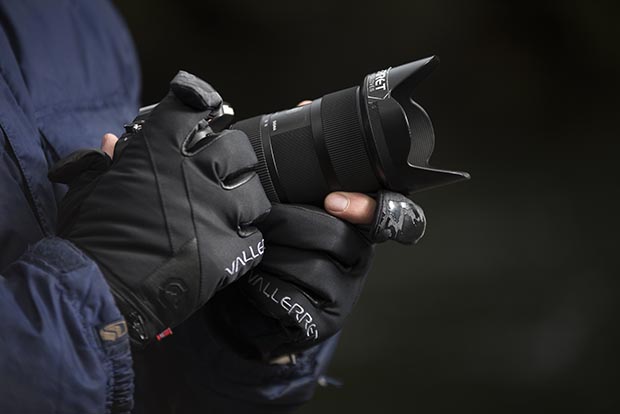
Vallerret Photography Gloves, €28,88 – €82,60 Made with 100% Merino Wool to keep your fingers toasty and dry in even the most brutal conditions, these gloves give wearers convenient access to camera gears so you can change settings without a fuss. They come with photographer-specific features, ranging from microfibre lens wipe thumbs to a non-slip grip to SD-card pockets. Founded by snowboarders Carl van den Boom and Stine Lyng Jørgensen in Voss, Norway, Vallerret empowers you to stay outside longer and get better shots without freezing your hands off.
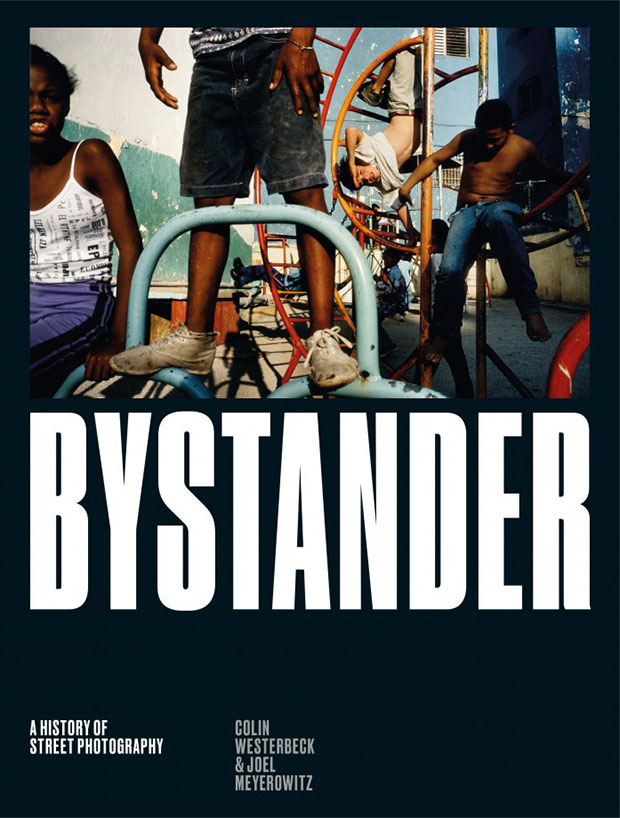
Bystander: A History of Street Photography by Colin Westerbeck and Joel Meyerowitz, published by Laurence King, $65.00. Chronicling the history of street photography from 1946 to 2016, this revised edition of Bystander, initially released in 1994 and hailed by critics as "the bible of street photography," provides further insight into the past, present, and future of the genre at a critical point in time. The great curator Colin Westerbeck joins Joel Meyerowitz in a study of work from the masters, ranging from Atget and Brassai to Frank and Arbus.
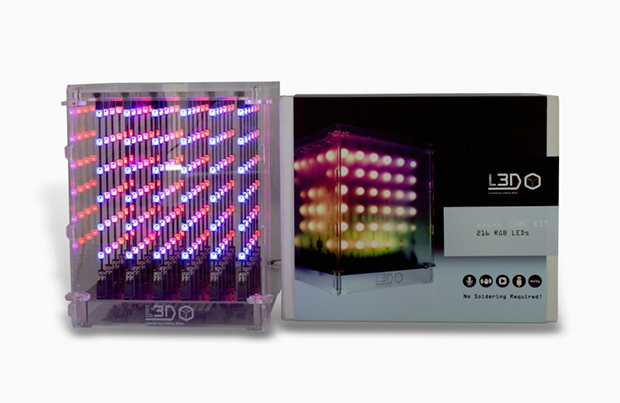
Looking Glass Factory L3D Cube, $200 In partnership with Kickstarter, the New Museum Store presents a 3D LED Cube that responds to sound and motion. No programming necessary, but you can download new applications and create your own programs if you wish. Create your own light show, and interact with L3D Cube owners around the world.
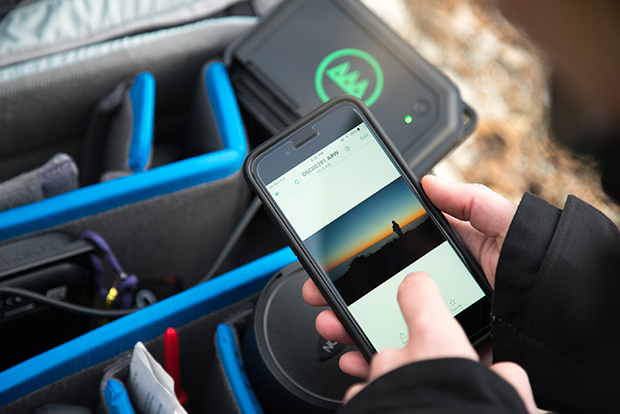
GNARBOX 128GB Portable Backup & Editing System, $299 The GNARBOX is a small device that eliminates the need for bulky laptops in the photo editing process. Suited to more than 500 cameras and durable in tough conditions (it's dust-proof and waterproof), the lightweight GNARBOX works with your phone and camera card to help you back up, share, and edit your photos and videos (even 4K and RAW) while you're on the move.
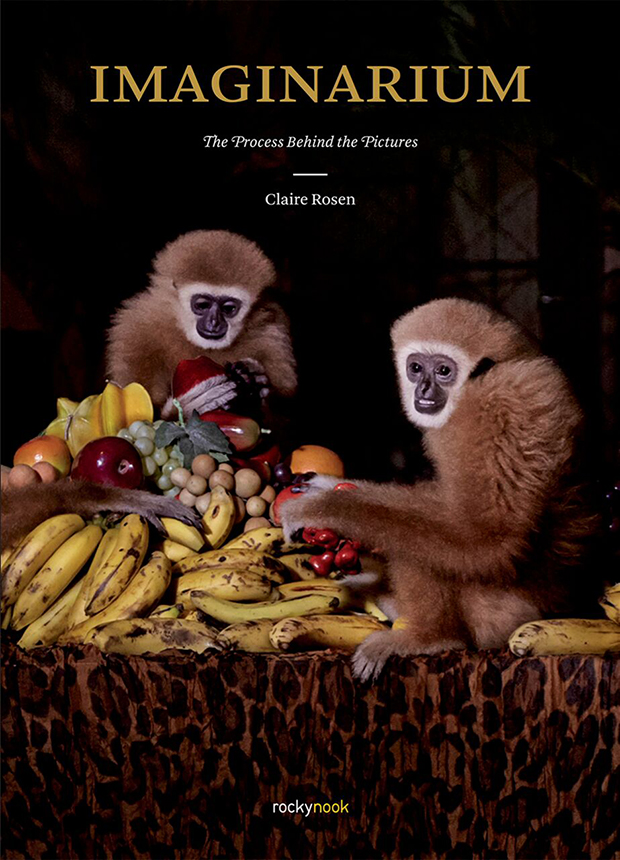
IMAGINARIUM: The Process Behind the Pictures by Claire Rosen, published by Rocky Nook $49.99 The photographer Claire Rosen takes us behind-the-scenes and into the creative mind with this fun, moving how-to book for artists. In an honest exploration of the joys and pitfalls of making work, Rosen takes us through the entire process, from brainstorming to editing. She illustrates her suggestions and backs them with anecdotes from both herself and other influential photographers, including Maggie Steber, Roger Ballen, Robin Schwartz, Gabriela Iancu, Eleanor McNair, and Sara Lando.
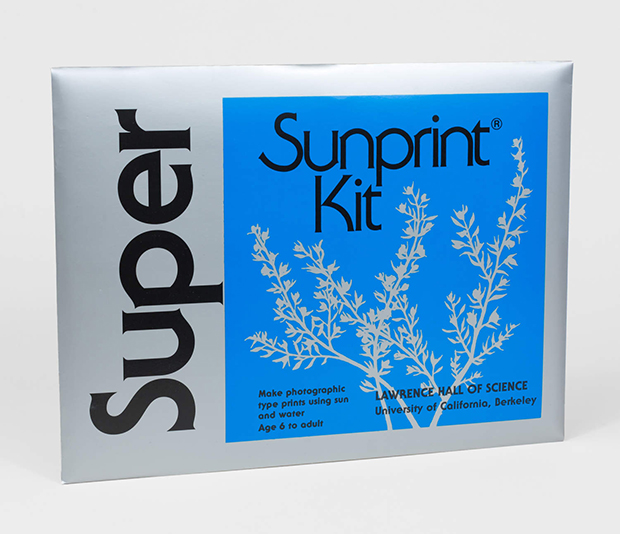
Sunprint Kit by the Lawrence Hall of Science, UC Berkeley Return to the basics and make cameraless art with this easy-to-use sunprint kit. Simply design your composition by putting objects over the photographic paper and let it sit in the sun. Each image is permanently fixed with water.

Photobook of the Month Club by Charcoal Book Clun, $58-$65/month The Charcoal Book Club, founded by a group of photographers, publishers, and filmmakers, delivers a curated selection of photobooks right to your door. Featured books range from established classics to works by exciting, emerging artists, all museum-quality and handpicked by experts. Part of the fun is that you won't know the book of the month until it arrives!

Pieter Hugo: Between the Devil and the Deep Blue Sea, published by Prestel $60.00 Bringing together images from all of Pieter Hugo's most influential projects, Between the Devil and the Deep Blue Sea follows the South African photographer in his travels through (post-genocide) Rwanda, Ghana, Nigeria, the US, and China. The retrospective book is edited by Ralf Beil and? Uta Ruhkamp and includes first-person accounts from Hugo.
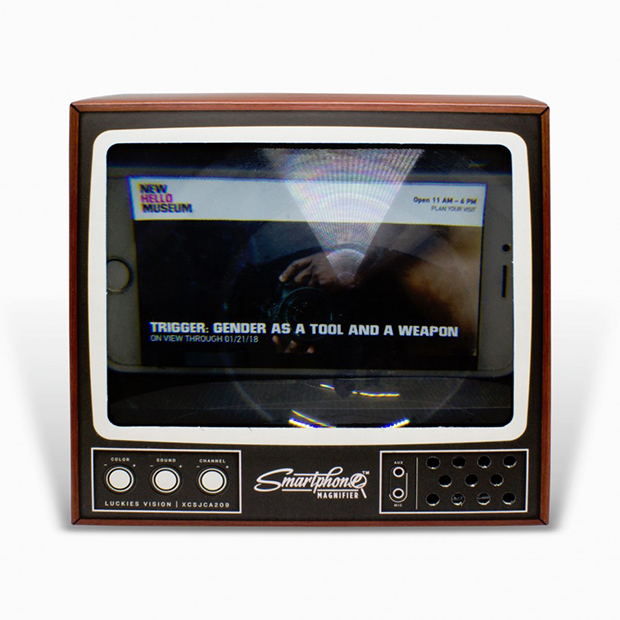
Smartphone Magnifier, $30.00 This hands-free retro-inspired gadget magnifies images and moving pictures on your Smartphone up to twice the size so you can watch movies–or edit your photos–without a hassle. Simple load your phone into the back, and let the magnifier do the rest. Available via the New Museum Store.
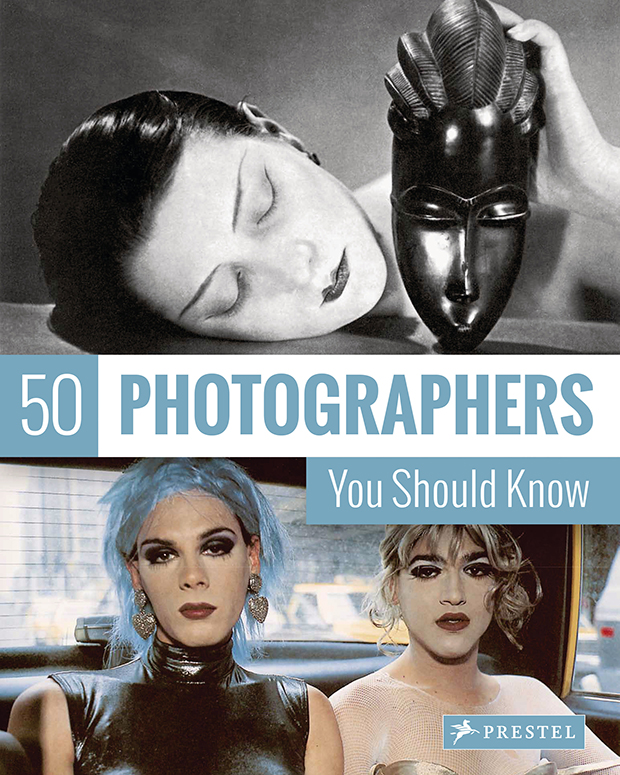
50 Photographers You Should Know by Peter Stepan, published by Prestel, $19.95 Take a journey through 150-plus years of photo history in this book by Peter Stepan. Find beautiful reproductions of some of the most important photographs of all time, with featured artists ranging from Nadar to Atget to Evans to Goldin. Whether you're beginner looking for a crash-course or an expert seeking new insights into some of the greatest minds to ever stand behind a camera, this book is for you.
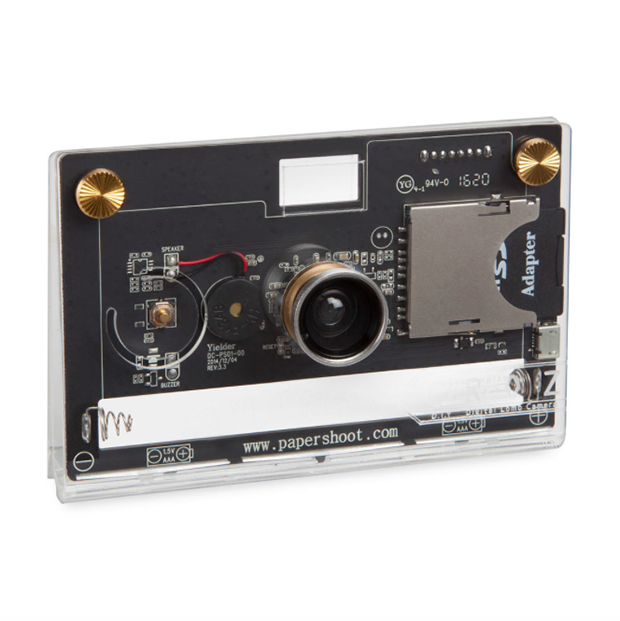
CROZ DIY Digital Camera, $140 This clever digital camera is lightweight and easy to use. The CROZ DIY Camera has one switch for the shutter and another for camera effects like wide-angle and fisheye. That's it! It's super straight-forward and lots of fun. Available via the MoMA Design Store.
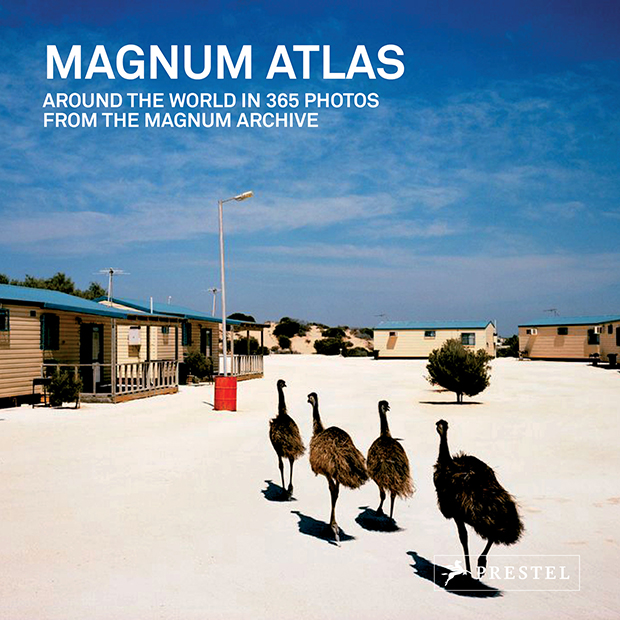
Magnum Atlas: Around the World in 365 Photos from the Magnum Archive, $29.95, published by Prestel In the wake of the much-acclaimed book A Year in Photography: Magnum Archive, Prestel presents this second volume with new images from the agency's history. Featuring images by founding members like Robert Capa, pioneers like Martin Parr and Bruce Davidson, and newer members like Alessandra Sanguinetti, Mikhael Subotzky, and Olivia Arthur, this book is a testament to the human condition and those who dare to document it.
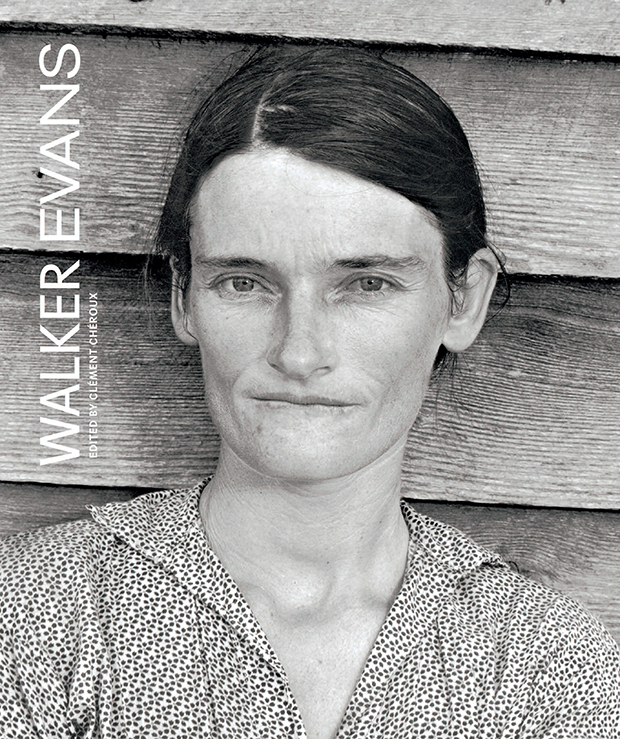
Walker Evans by Clément Chéroux, $65.00, Published by Prestel Writers and critics, ranging from Susan Sontag to Tod Papageorge, have long revered Walker Evans. Now, Clément Chéroux, Senior Curator SFMOMA, takes his seat at the table with this retrospective book. Examining Evans's relationship to his country and its people, Chéroux sheds light not only on the photographer but also the man behind some of America's most recognizable and defining images. The book also features fascinating objects from Evans's life, including postcards and writings.
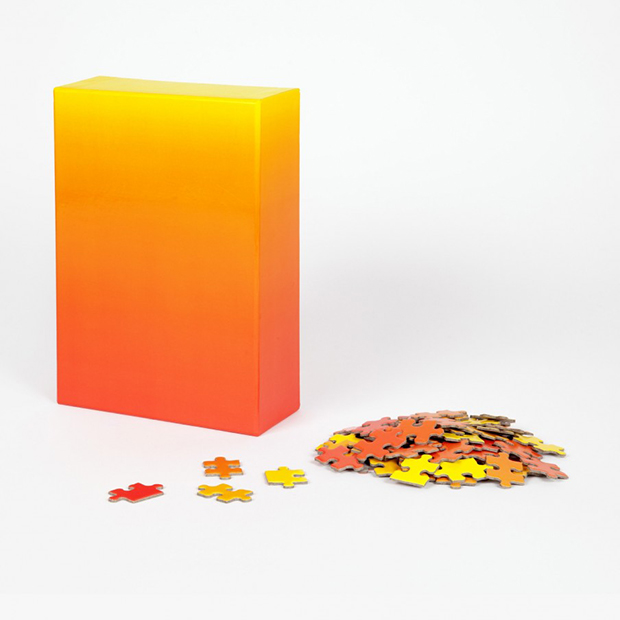
Bryce Wilner's Gradient Puzzle, $20.00 Another best-seller from the New Museum Store, this puzzle from graphic designer Bryce Wilner offers a fun challenge for anyone obsessed with color. The pieces are longlasting, meaning the puzzle can be taken apart and put back together over and over. The puzzle comes in red/yellow, blue-green, and black/white gradients.
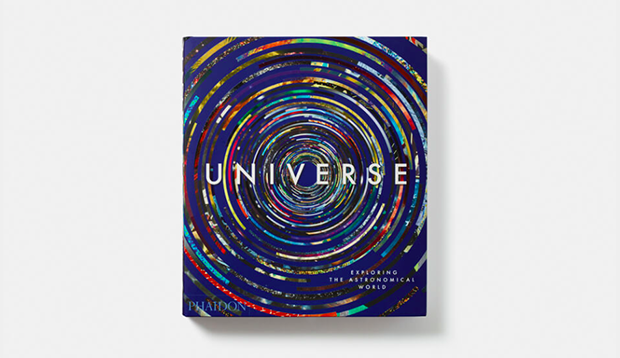
Universe: Exploring the Astronomical World by the Phaidon Editors, $59.95 This book takes readers on a historical trip through the Cosmos, examining humankind's complex relationship with what lies behind our horizons. A panel of experts on the subject selected 300 images to include, with examples ranging from early cave paintings to photography, animations, and digital renderings. The perfect blend of science and art, Universe asks many questions and answers a few along the way.
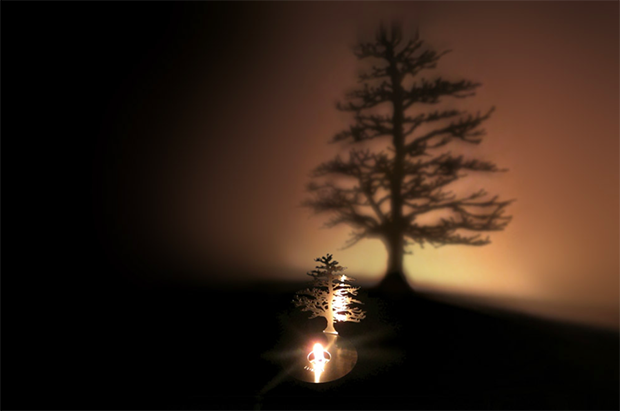
LUMEN FLAME shadow projector by Adam Frank Incorporated Designed by Adam Frank, this mesmerizing oil lamp shadow projector transforms any pale-colored wall into a work of art. The stainless steel projector is small and convenient at only three inches tall, while the cast shadow reaches 18 inches. Two wax calls by Hollowick are included; each lasts 17 hours. Email [email protected] for more details.

Tattly Photography Tattoo Set, $15.00 These temporary tattoos from Tattly are conceived by influential illustrators/designers like Julia Rothman, Tina Roth Eisenberg, Jason Santa Maria, and Raul Gutierrez. The tattoos come in a set of eight and last two to four days.

The Photographer's Playbook: 307 Assignments and Ideas, Edited by Jason Fulford and Gregory Halpern, $16.22 Jason Fulford and Gregory Halpern edit this book of fun and unusual photography assignments, accompanied by stories and anecdotes from some of the best artists working today. With quirky and ingenious contributions from the likes of Roger Ballen, John Baldessari, Tina Barney, Philip-Lorca diCorcia, Jim Goldberg, Miranda July, Susan Meiselas, Stephen Shore, Alec Soth, Tim Walker, and more, it's no wonder The Photographer's Playbook is an Amazon #1 Best Seller in the Photography Criticism & Essays genre. A must-have for anyone studying or teaching photography.
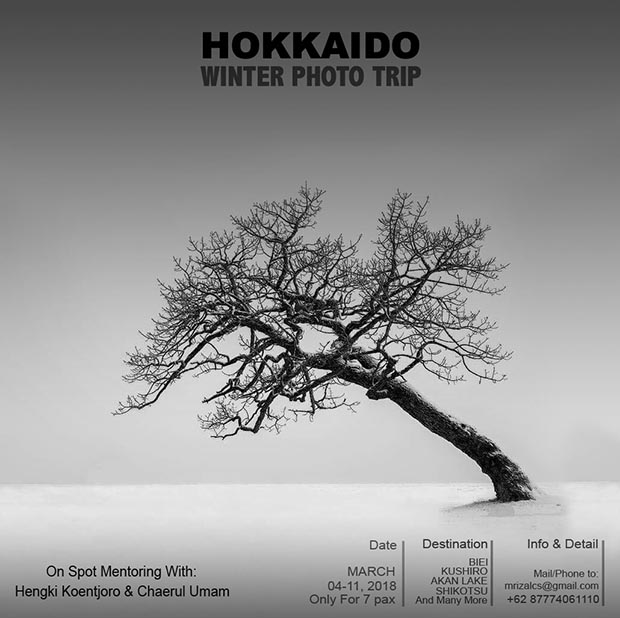
Hokkaido Winter Photo Trip with On-Spot Mentoring with Hengki Koentjoro and Chaerul Umam, $2800 Join photographer Hengki Koentjoro and filmmaker Chaerul Umam on a once-in-a-lifetime trip to Japan this March 4th-11th. With an emphasis on black and white minimalism, participating photographers will visit some of the most beautiful places on the planet, including the Arashiyama Forest, the crystal ice-covered Toyokoro beach, Shirahige Park, Lake Shikotsu, the iconic Christmas tree in Biei, and many more. Food is included. There is still some space available so, email [email protected] to reserve your spot.
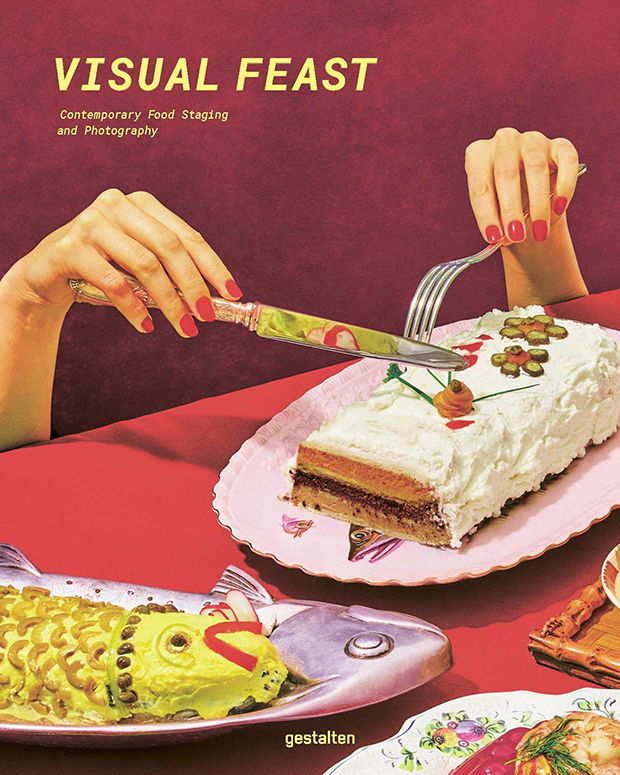
Visual Feast: Contemporary Food Staging and Photography by Gestalten A quirky, appetizing book of photographs, Visual Feast contextualizes the Instagram-era's obsession with snapping food. Humorous, colorful, and elaborately staged, these images appeal to the eyes, the tummy, and the intellect.
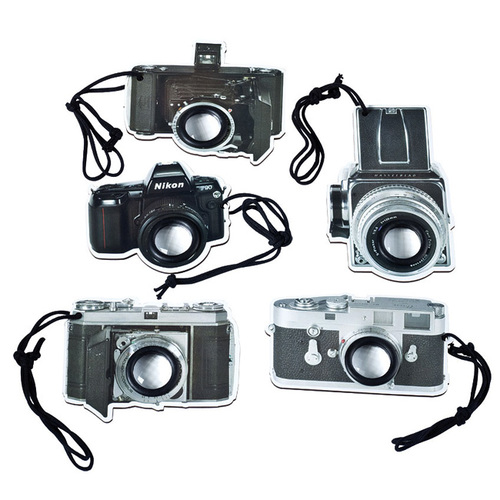
Optrixx Looking Eyes by Werkhaus, $10.00 Werkhaus presents a modern take on vintage looking eyes. Handmade in Germany, the Optrixx comes in Kodak, Leica, Hasselblad, Zeiss Ikon, and Nikon designs. These looking eyes can be used in the traditional fashion– to multiply the objects in front of you hundreds of times–but they can also be held in front of your camera to create surreal images.


Source: 37 Unexpected Holiday Gifts for Photographers

Sunday, December 10, 2017

'This is who I am': Photographers take free portraits at Siloam Mission

With a bright light shining on the side of his face, John Strong beams a giant smile as a camera snaps a photo of a special moment.

He went to Winnipeg's Siloam Mission for food Saturday but left with a unique gift — his first professional portrait.

"I'm probably going to send it out to my family for Christmas — my kids anyways," he said. "I'll send it to my kids. They can see a smile on my face."

Strong, who is originally from Kenora, Ont., was taking part in the Help-Portrait project. In cities around the world, professional photographers provide their services at no cost to those who otherwise wouldn't be able to afford them.

"It's just the ability to show, 'This is who I am. This is my family. This is who I am today. I'm OK,'" said Jon Adaskin, a co-ordinator for Help-Portrait in Winnipeg.

Adaskin has been doing Help-Portrait for nearly a decade and has heard a lot of different stories from people as he stands behind his lens. One woman told him that she had never seen a photo of herself.

"I can't even hardly wrap my head around that in t his day and age," he said.

Adaskin spoke about another family that came through with younger kids. Although they were homeless, there were big smiles and laughter as he snapped the photos.

He said having a photo can be important for a person to feel valued, especially when they can hold it and look back on it.

"It's very tangible. It's a memory, it's the day-of. It brings back all kinds of feelings and thoughts of the positivity that goes on here."

As Strong looked at the different photos taken of him, he smiled once again. "It made me feel better," after what he described as a really hard morning.

"I liked it. It's something different and it's never happened to me before."


Source: 'This is who I am': Photographers take free portraits at Siloam Mission

Friday, December 8, 2017

How Three Photographers View a Changing Vermont

In a 1988 music video, Vermont comedy duo Gould & Stearns sang, "Vermont is a third-world country (but the people don't know)." Provocation? Perhaps. But that statement evokes a contradiction at the core of our state's identity: The way of life that, for many, has bestowed Vermont with its particular charm is an endangered one.

That same paradox resonates in the images of Vermont photographers Richard W. Brown, Ethan Hubbard and Peter Miller. Each has devoted his time and talents to chronicling Vermont's changing — and disappearing — ways of life, capturing privation and hardship alongside natural beauty. While Peter Gould and Stephen Stearns delivered their message about the state's economic and cultural shifts in a wacky, over-the-top format, Brown, Miller and Hubbard strike a far more nostalgic and somber tone.

"[Photographing in Vermont] really was, to me, like getting in a time machine," noted Peacham-based Brown. His book The Last of the Hill Farms: Echoes of Vermont's Past, designed by his wife and Vermont Life art director Sue McClellan, was released this fall; he'll speak about it at the University of Vermont on Wednesday, December 6.

Over the summer, Miller published his sixth book, Vanishing Vermonters: Loss of a Rural Culture. The Waterbury-based writer and photographer has practically made a career of documenting the state's rural identity since the 1990 publication of his iconic Vermont People.

A retrospective of portraits taken by Hubbard, who lives in Washington, Vt., is currently on view at the Vermont Folklife Center in Middlebury. Many of the images in "Driving the Back Roads: In Search of Old-Time Vermonters" appear in his 2004 book Salt Pork & Apple Pie: A Collection of Essays and Photography About Vermont Old-Timers, available for purchase at the exhibition.

While each has his own angle and style, Brown, Hubbard and Miller also have much in common. Now all past the age of 70, they came from urban or suburban communities in the Northeast and settled in rural Vermont. They took their early photographs on black-and-white film. Generally speaking, their images belong to that category of documentary photography that sits — sometimes uneasily — between art and anthropology.

Occasionally, even the photographers' subjects overlap. Waterbury dairy farmer and filmmaker George Woodard appears in both Miller's Vanishing Vermonters and Hubbard's 2009 volume Thirty Below Zero: In Praise of Native Vermonters. Both Brown and Hubbard have given special attention to Theron Boyd (1902-90), a peculiar bachelor farmer in Quechee who refused to sell his property to developers. His homestead is now in the care of the Vermont Division for Historic Preservation, slated for eventual opening as a historic site. The VFC plans to exhibit Brown's work in March 2018. "Ethan and Richard have very different approaches to similar subjects," wrote executive director Kathleen Haughey by email. "That contrast is interesting and worth exploring."

Tom Slayton, who served as editor-in-chief of Vermont Life magazine from 1985 to 2007, wrote the forewords to both Brown's recent volume and Hubbard's Salt Pork & Apple Pie.

"All of us who live here are concerned about the possible loss of Vermont's scenic beauty," Slayton said by phone. "I personally think it's tied very closely to Vermont's working rural culture. Vermont looks very different from the rest of New England because it's farmed ... Real work done on the land not only produces food, it produces a beautiful countryside."

What links these photographers, besides the format of the reverential documentary portrait, is the desire to capture a cultural landscape in which the small farm is no longer the dominant means of survival. Commodity farming, state regulation, economies of scale and fluctuating milk prices have made Vermont's traditional lifestyles difficult to sustain. While the state claimed more than 3,000 dairy farms in the 1980s, today just 900 farmers are milking cows, sheep or goats, according to the Vermont Agency of Agriculture, Food & Markets.

Haughey says Hubbard's combination of portraiture and stories has proved an especially popular exhibition. "It's been a rather tumultuous year in terms of politics and social stability," she said. "I think there's a bit of a nostalgia for past times, and people are interested in connecting to human stories. Seeing these old-time Vermonters can be a source of strength."

Seven Days spoke with Brown, Hubbard and Miller about their histories of rural image-making in Vermont and how they, having arrived "from away," decided to document their adopted home.

Richard W. Brown The Last of the Hill Farms: Echoes of Vermont's Past

When Richard W. Brown was still a student at Harvard University, he worked on a farm in Hartford. Driving through Quechee, he and a buddy saw a magnificent, crumbling old building. Thinking it was abandoned, they pulled over and got out to explore. They went from room to room, marveling at the structure that seemed to be from another era.

"We got into the so-called parlor," Brown remembered, "and my friend about fainted. He points, and I can see the back of this guy's head in a chair — he's asleep. God, did we get out of there in a hurry."

The "guy" was Theron Boyd, who would later become one of Brown's frequent photographic subjects. "It was 1975, and when I got out of my car, it was 1875," Brown said of his later work at the Boyd homestead. "It just kind of gave me goosebumps. And [Theron] was always glad to see me — I don't know why."

Raised in Wellesley, Mass., Brown would come to Vermont on family trips; his great-grandfather taught at Lyndon Institute, and his family had ties to the region. "I thought it was the greatest place I'd ever seen," Brown remembered.

Growing up, he intended to become a painter. In college, Brown purchased a camera to take on an African safari, thinking he would paint from the photos. Instead, he realized he preferred the medium of photography. Eventually, Brown armed himself with the same equipment that landscape photographer Ansel Adams used in the 19th century. Thus equipped, in 1971, when he was 25, he moved to the Northeast Kingdom town of Peacham "on a leap of faith."

"I wanted to be the Vermont version of one of those guys," Brown said, referring to Adams and his contemporaries. "I soon learned that that was a good way to starve." Brown would go on to make his living as a freelance commercial photographer, and more than 25 books of his photographs have been published in the U.S., Europe and Japan.

In the mid-'70s, Peacham was home to about 20 family farms, Brown said. Today, he knows of three or four. And "instead of milking 20 cows, they're milking 200," he observed.

Forty years ago, however, Brown didn't feel any sense of urgency about the state's cultural and economic transition. "I didn't think things were gonna change," he said, "and it took a while."

Most of the photographs in Hill Farms were taken in the 1970s. Brown's choice of subject matter and his aesthetic show his keen affinity for scenes of farm life that could have existed decades or even a century earlier. The photographer masterfully captures a striking range of tones and texture, crafting scenes that seem to expand and slow time the longer you spend with them.

"Richard has a poetic vision," Slayton said, adding that the photographer is a "master technician" who "seems to have an innate feel for Vermont's countryside."

"I like old stuff, that's my problem," Brown conceded. But, inexorably, things have changed. This fall, Brown attended a workshop in Barnet that was near some of his old haunts — "places where I could photograph four or five working farms," he said. "Now it's just trees."

In Peacham, he noted, the socioeconomic gap has widened considerably over the past few decades. In the '70s, he said, "There wasn't the sort of vast difference there is now. It was a pretty homogenous group in terms of income."

Brown acknowledged his weakness for rural romanticism. "In a lot of these places," he said, "I'm sure there were a lot of things that were very difficult, and some things that were not good. People having to struggle with making a living and all that.

"But, to look at, it was like an old painting by Eastman Johnson or Winslow Homer," he continued. "It was so beautiful. I don't know what else to say."

The Last of the Hill Farms: Echoes of Vermont's Past by Richard W. Brown, David R. Godine, 136 pages. $40.

Ethan Hubbard Salt Pork & Apple Pie: A Collection of Essays and Photography About Vermont Old-Timers

In conversation, Ethan Hubbard cannot contain his deep and personal affection for "old-time Vermonters." The adoration seems to bubble right out of him.

Connecticut-born Hubbard moved to Vermont in 1964, freshly graduated from Rollins College in Florida, and took a teaching job at Waitsfield High School. Photographing Vermonters seemed to arise organically from his circumstances: A self-described "hippie," Hubbard had much to learn from the rural community in which he had planted himself, he said. Many of his subjects were, or would become, his close friends; Hubbard spoke in eulogy for East Brookfield's Keith Perkins in 2010, for example.

"They were so sweet to us hippies," Hubbard recalled of his neighbors by phone. "Those kinds of people were really good to the transplants who wanted to live a rural existence. We needed help. We didn't know shit about dry wood, didn't know how to barter ... We came here to be rural Vermonters, [so] who do we go to see? We don't go to Shelburne and ask rich people."

In one of the first portraits in Salt Pork, a bespectacled woman named Erdine Gonyaw holds up an apple pie she baked for the Albany town meeting. Hubbard described the photograph, which he took in 1969, as "a good picture of a sweet woman who was good to hippies." Indeed, Gonyaw has a patient, perhaps bemused, expression on her face.

Hubbard said his inclination to document his friends and neighbors resulted from early foresight. "I had a premonition that this breed of Vermonters was the last of the breed," he recalled. "I said to myself, Well, go out and photograph and tape-record as many as you can."

The photos in Salt Pork span from 1967 to 2002, many taken with a Canon AE-1 35mm camera. Leaving teaching behind, Hubbard worked as deputy director of the Vermont Historical Society from 1968 to 1977. That position allowed him to "drive the back roads" and collect more than 100 oral histories from folks he identified as old-time Vermonters. Excerpts from a few of those narratives accompany some of the 40 large-scale images on view in his current retrospective at Vermont Folklife Center.

After Hubbard left the VHS, he sold his Craftsbury property and used money he inherited to embark on travels that lasted 35 years and spanned some 60 countries. Occasionally he touched back down in Vermont, other times at his parents' home in Connecticut. Of course, he took his camera with him.

"I was doing the same thing as I did in Vermont," Hubbard said of his globe-trotting. "I fell in love with these old characters."

Over his career, he has published more than 10 books of photographs, including First Light: Sojourns With People of the Outer Hebrides, the Sierra Madre, the Himalayas, and Other Remote Places (1986), Grandfather's Gift: A Journey to the Heart of the World (2007) and "Me Like Goat Meat. Goat Meat Good, Mon": In the Company of Curiosities, Anachronisms, Misfits, Innocents and Angels (2011).

Hubbard's photographs of Vermonters stand out for their focus on joy. His subjects almost all seem to be smiling or laughing, as if caught while cracking a sly joke or sharing a fond memory. Unlike Brown and Miller, Hubbard eschews shooting sweeping landscapes or meditations on trees, graveyards and churches. For him, it's all about the people, and he usually frames them front and center, looking directly at the camera. Sometimes he catches his subjects in motion or a little out of focus, giving his images the intimate feel of a snapshot.

Hubbard doesn't call himself a writer, but in Salt Pork, as well as in exhibition text at VFC, he recounts time spent with his subjects in clear, sweet essays. In some cases, he acknowledges the perpetual hard work, poverty and loneliness in the subjects' lives. For the most part, though, Hubbard's stories shroud his "Vermont old-timers" in poetry and awe.

In contrast, he bemoans the fate of young people today. "They don't have balance. They don't know how to walk on a log in the woods," he said. His old-timers, he said, "were the last generation to grow up without television."

Hubbard, who does not have an email account or engage in social media, attributes much of the loss of old Vermont culture to a digital revolution that he wholeheartedly shuns.

"I'm outta here," he declared. "I'm out of the digital age. Good fucking riddance."

After Donald Trump was elected president, Hubbard said, he stopped using the term "native Vermonters." It felt "a little off-putting, a little pigeonholing," he said, decrying the general use of labels to sow divisions. It's worth noting that, with the odd exception (such as Hubbard's portrait of basket maker John Sweetser), true Vermont natives — the Abenaki — are not to be found in the collections of Hubbard, Brown or Miller. 

Instead of "native," Hubbard has opted for "old-time Vermonters," measuring one's authenticity by the interval one's family has lived in the state.

"The people that I fell in love with have the lineage of 200 years," Hubbard said. "They've retained those special qualities of the mountains and the rivers and the communities and learning to do things [themselves]."

Of his beloved subjects, Hubbard offered, "They kind of chose me. These are a heartful people."

Salt Pork & Apple Pie: A Collection of Essays and Photography About Vermont Old-Timers by Ethan Hubbard, RavenMark, 129 pages. $19.95.

Peter Miller Vanishing Vermonters: Loss of a Rural Culture

Peter Miller's most recent book is dedicated to Romaine Tenney, a tragic folk hero of sorts whose story is well known by some, unknown to many. In 1964, faced with having to leave his 90-acre family farm in Ascutney to make way for the incoming Interstate 91, Tenney grabbed his rifle, lit all of his buildings on fire and died — most likely by self-inflicted gunshot — in the blaze.

Vanishing Vermonters is not a happy book. In some ways, it feels like a deeper, angrier, more urgent cut than Vermont People, the collection that brought Miller renown in the state. Though he struggled to find a publisher for Vermont People, it came to be a beloved staple, reprinted three times with multiple revised editions.

Miller moved with his family from Manhattan to Weston, Vt., in 1948, at the age of 14; he returned to settle permanently in Colbyville — a settlement area within Waterbury — in the 1980s.

In his earlier Vermont books, Miller demonstrated keen skills as both writer and photographer, the latter honed during military service in Europe, as an assistant to photographer Yousuf Karsh and as a journalist at LIFE magazine. The images in those books are distinctly art photographs, and their tone is, for the most part, celebratory.

Vanishing Vermonters strikes a different chord. It is overtly political, has a more journalistic bent and emerges not as a collection of nostalgic portraits but as a document of lives being lived in Vermont right now.

In his foreword, Miller declares the book "as realistic as the smell of skunk." It originated, he explains, in the responses to his 2013 book A Lifetime of Vermont People, as well as in two commentaries he published on VTDigger.org: "Cold Weather, Hard State" in March 2014 and "I Am Vermont Broke" in August 2016.

Those articles sparked plenty of online feedback, including heated debates on individual and governmental accountability and, Miller recalled, a lot of confirmation for his point of view. Many respondents lamented Vermont's high cost of living, which some said had caused them to leave the state.

"[These people] didn't have anybody in Montpelier, it seemed to me," Miller said, referring to the Vermont legislature. "So all of a sudden, it came to me: This is a book."

Vanishing Vermonters departs from the pattern of idealized portraiture and pastorals, instead combining some of Miller's carefully composed images with quicker digital snapshots. The weight of the work lies in the text. Miller has transcribed conversations with each of his subjects, who provide illuminating documentation of a broad range of Vermont experiences.

Not everyone featured was born in Vermont, and the subjects express no political consensus. Former governor Howard Dean is there alongside Trump voters. In fact, not everyone seems unhappy with the direction the state is taking. The commonality, Miller said, is that they are all "rural people."

"I let [my subjects] speak for themselves," he explained. "I put a few pictures in to show that I'm talking about something different that isn't necessarily beautiful."

Among the 20-odd profiles is one of Kim Crady-Smith, owner of Green Mountain Books & Prints in Lyndonville. Her family has been in Vermont for generations; she and her partner have no running water or electricity, and they sell their chickens' eggs at their store. "We joke about 2008 when the market crashed," Crady-Smith recalls in the book. "The economic crisis didn't really impact us because we [were] already poor."

The book's visuals include more than portraits. It's peppered with scenes of abandonment, such as a dilapidated house and an Irasburg hunting camp. Other pointed images include a sign protesting the Vermont Gas pipeline in Monkton, wind turbines in Lowell and a flattened can of Heady Topper.

Altogether, Miller's pictures, his introductions to his subjects and their verbatim reflections provide a nuanced view of a culture in flux.

Asked if he considers himself a "vanishing Vermonter," Miller replied, "I'm not really a Vermonter. I'm a woodchuck with a small 'w.' A woodchuck with a large 'W' is a native Vermonter. I'm an observer."

Vanishing Vermonters: Loss of a Rural Culture by Peter Miller, Silver Print Press, 168 pages. $24.95.


Source: How Three Photographers View a Changing Vermont

Thursday, December 7, 2017

Most Inspirational Photographers of the Month - November 2017

Don't miss stories. Follow PhotographyTalk

iStock 619521204 min image

Another month is in the books, and it was a month in which we had some truly epic photos to share.

From portraits to landscapes, architecture to wildlife, these images are as varied as they are inspiring.

These photos represent some of the best in our PhotographyTalk Galleries, so have a look and get inspired to create your own masterpieces!

 image

This incredible shot by Artur Stanisz demonstrates the value of patience in photography.

After having nothing but clouds, snow, and darkness for days, Artur woke up to this fantastic scene in the middle of the night.

No one ever said photography was easy, but, boy, the results sure can be worth it!

 image

This gorgeous shot taken by Paulo is of Ria de Aveiro, Portugal.

With the perfectly still water, this image just oozes peace and serenity. The plants on the surface of the water serve as a perfect tool for directing our eyes to the boat.

Nice work, Paulo!

 image

It's often said that lighting is what makes a photo, and that's certainly true in this epic shot by Roberto Pavic.

The burst of light on the left side of the photo offers a wonderful contrast to the cool tones that dominate the shot.

That light reflected in the water in the foreground is a fun bonus!

 image

This shot by Ahmet was taken at the prime time of day - Golden Hour - to capitalize on the warmth and softness of the light.

The symmetry in this shot is a nice touch, which was made possible by the vertical orientation of the composition.

 image

This photo couldn't be more appropriate for fall!

Nico Babot snapped this beauty in Arrowtown, New Zealand, which is known for the incredible fall colors during the autumn there.

The leading lines in this image are spot on as well!

 image

Brad Scott offers up this gem of a landscape, showing an interesting take on the famous Horseshoe Bend.

Many photographers take a similar shot, but in landscape format.

By switching to vertical format, Brad is able to incorporate the interesting cloud formations for more visual appeal.

 image

When looking at this incredible image by Artur Stanisz, one word comes to mind - EPIC.

From the gorgeous dynamic range to the perfect framing to the gorgeous layering that's going on, this is one heck of an image, worthy of today's title of Inspirational Photo of the Day!

This is a master class in creating better landscape shots!

 image

This image by Connie shows how the ethereal nature of fog (and in this case, forest fire smoke as well) can be beautifully balanced by harsh, detail-rich features.

The smoky fog gives this shot a sense of dreaminess, and when combined with the crispness of the rocks and plant life, it creates one heck of a shot!

 image

When taking photos, leading lines are a powerful tool for creating images with tons of depth.

In this case, Paweł Uchorczak uses leading lines to perfection to not only give the shot dimension but for also helping to frame and define the woman in the shot.

 image

This beauty of a black and white photo by Garry's Vision and Imagination looks simple enough, but Garry actually had to make several trips and spend a lot of time waiting for the light to occur as he's captured it here.

The wait was sure worth it!

That light is simply amazing, isn't it?

 image

Maternity photography isn't just about showing off mom and her baby bump.

As this beautiful shot by Abba Color Photography shows, by incorporating dad in the shot, you can capture a candid, authentic moment of interaction between the two that makes for a more meaningful image.

 image

Timing is everything in photography, and David had great timing with this shot of a perfect rainbow.

Set against the dark, stormy sky, the colors of the rainbow pop and add whimsy to this stone-clad row of homes in Northern England.

 image

Simply titled "Look Up," this shot of the Milky Way by Brad Scott has a perfect balance between the earth and sky.

Though the Milky Way is the star of the shot, the inclusion of the silhouettes of the mountain and trees and the lake in the foreground only serve to add more interest to the composition.

Great work, Brad!

 image

Donnnnnny is back with this incredible sunset image that makes use of a short focal length to create a sweeping view of the scene.

The inclusion of the rocks in the foreground brings you right into the shot and helps direct your eyes to the colors of the sunset - and those awesome rays of light!

 image

This gorgeous portrait by Amber Fite just goes to show that you don't have to include the subject's face in the shot for it to be successful.

You also don't need the sun at your back! In this case, the silhouette of this sweet moment is more than enough to make this an eye-catching portrait of these kids.

 image

Wales never looked so good as in this glorious shot by J_Tom.

The gorgeous light, the leading line of the coast up to the lighthouse, and the flowers in the foreground come together beautifully. This is one well-composed photo!

 image

There's nothing quite like a great black and white landscape, and this one by Norma Tracy sure doesn't disappoint.

With a nice dynamic range that offers deep blacks to bright whites and an eyeful of mountain peaks in the background, there's a lot to love about this one.

Great work, Norma!

 image

PT user Ansharphoto captured the beauty of Valletta in this gorgeous panorama.

The soft, warm light of sunset is the perfect pairing with the city's beautiful architecture.

The inclusion of the water in the foreground helps balance the blue sky, making this a nicely symmetrical image as well.

 image

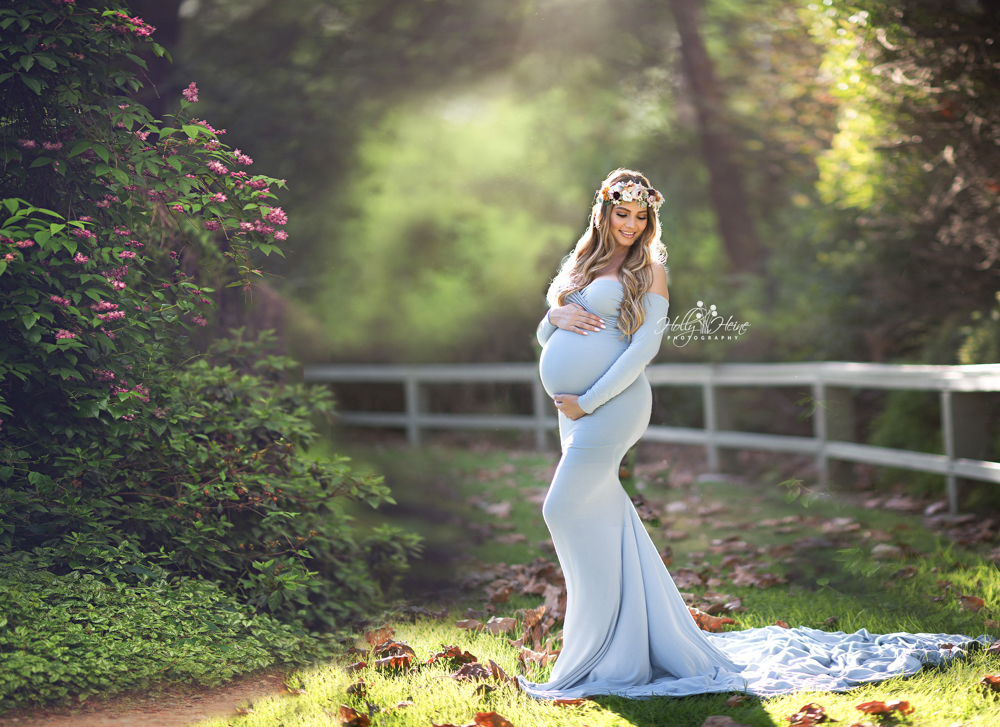
One of the best things you can do to make a portrait better is to help your subject stand out from the background.

In this stunning maternity photo by Holly Heinz, you can see how the use of a shallow depth of field accomplishes just that.

The beautiful gown the model is wearing certainly doesn't hurt in making her the star of the photo!

 image

Night photography can be a challenge, but jujupanama makes it look easy in this simple, yet beautiful night scene.

The key to this image's success is the interplay of darkness and light. The long shadows cast by the street lights is particularly eye-catching.

 image

In this shot, Neil Parkes demonstrates that you can create a wonderful image of a normal, typical subject.

The water droplets on this leaf certainly add interest to the shot, as does the way the leaf fills the frame.

It just goes to show you don't have to go far to find great subjects for your images! 

 image

There's just something about castles that make them prime targets for gorgeous photos.

Here, Paweł Uchorczak captures the beauty of this castle's architecture bathed in the early morning light.

The location of the castle certainly doesn't hurt in the beauty department!

 image

When incredible light and excellent framing come together, you get a stellar image like this one from Lars van de Goor.

The way the giant trees frame the center of the shot where the three men are walking gives this photo tons of drama.

The texture of the leaves on the trees is a nice touch, too!

 image

In this shot, Gary A. Randall demonstrates how using foreground interest can elevate the shot.

This scene is beautiful on its own, but by taking a low angle of view and incorporating the giant leaf into the foreground, it makes for an even more compelling image.

 image

Not all photos of the sea have to include a ton of water, as we can see in this beauty of a shot by donnnnnny.

With a hint of water on the left side of the shot, we can see that this image is a long exposure.

The soft, blurry water pairs nicely with the sharply-focused rocks to create an interesting and unusual dynamic. Great work!

 image

Travis offers up this wonderful sunset shot, which demonstrates how a sunset colors are beautiful, but also how they need supporting elements to make a complete photo.

Here, the silhouetted plants in the foreground and the trees in the background give the shot more texture and depth and contrast beautifully with the bright sky.

 image

This beautiful landscape photo courtesy of Ryan is breathtaking, to say the least.

The vertical format really suits this scene, as it affords a view of the foreground plants, the mountain in the background, and the starry sky above.

Tailoring the format of the shot to the scene will help you create more impactful images as well!

 image

Sometimes, simplicity is what it's all about. This image by Garry's Vision and Imagination demonstrates that point.

Though muted colors, a featureless sea, and two bare trees might not sound that pretty on paper, it's obviously a winning combination in this photo!

 image

J_Tom demonstrates how beautiful manmade and natural elements can be when put together in the same photograph.

The harsher lines of the bridge pair nicely with the smooth surface of the water.

Notice how the leading line created by the bridge gives the photo more depth as well.

 image

This isn't a typical scene from above the Arctic Circle, but a beautiful one nonetheless.

Alaskan Thru The Lens used a 10mm lens to capture the double rainbow in this breathtaking landscape - and it was still too wide to get it all in the shot. That's one big rainbow!

If you have shots that you want to share with the world, upload them to the PhotographyTalk Galleries, and your photos might be selected to be featured in articles just like this one!

We Recommend

17 Photos That are Guaranteed to Light Up ...

Lunch Atop a Skyscraper: The Story Behind ...

How the Photography Industry Exposed the ...

Five Years Later, the Mars Curiosity ...


Source: Most Inspirational Photographers of the Month - November 2017
Wednesday, December 6, 2017

The 2017 Monitor Buyer's Guide for Photographers: Finding the Best

When you're in the market for buying a new monitor, you're probably overwhelmed by a host of specifications. Size, resolution, color gamut, and panel technology can make all the difference when you look for a new screen to edit your photos on. As a photographer, not all specs are that important. Dynamic contrast for instance; a feature that adjusts brightness and contrast according to what's on the screen at a given moment. In this guide, we're focusing on buying a monitor that is geared specifically towards post-processing.

Important Considerations

Right off the bat, we can say that we're not looking for a panel with a fast response time; a spec that particularly favors gamers. We are, however, interested in how well the colors are displayed under an angle. Resolution also plays a factor, because even with modern software user interfaces, we don't want to hide our most used actions and panels behind several buttons. We're further considering grey gradients, wide gamut support and whether a matte or glossy panel fits the bill. And of course: Your budget. Different than the 2017 PC Build Guide, I'm proposing five recommendations based on budget. There's the midrange monitor recommendation, high-end monitor, the top-of-the-line and a recommendation for the budget conscious photographer.

Calibration and Settings

In any case, if you want the absolute best monitor at any budget, you seriously have to consider calibrating your screen. In this guide, we're not paying attention to software calibration. All software calibration has one very important flawed factor: your own perception of color. Hardware calibration through a colorimeter corrects differences among individual monitor units but also among brands and types. In short: Calibration makes sure you perceive your colors displayed on the monitor as intended. Today's reference colorimeters are X-Rite's i1Display Pro and Datacolor's Spyder5Elite. Either of which are yours for about $250.

For accurate color representation and to retain the maximum amount of data for post-processing, there are a couple of important settings. In whatever image editing software you're using, the higher the bit-depth, the more detail can be stored. If you're not sure where your photo is going to be displayed, providing your photos with a wide-gamut color profile is equally important. While it is true that sRGB is today's web standard, a growing number of user's monitors supports as much as 98% of the AdobeRGB color space and some photography contests even require you to upload your images with the AdobeRGB color profile. But even AdobeRGB or Apple Retina's P3 isn't as wide as we can go. ProPhoto RGB goes even wider.

The Wide-Gamut Discussion

Type "Wide Gamut" into your favorite search engine and you'll find a metric ton of contradicting advice on how to best edit your images. Yes, the web's standard is still sRGB. Yes, only a handful of specialist printers can work with wide-gamut color and yes, most professional monitors out there don't even display the full AdobeRGB color space; let alone the ProphotoRGB color space. So why would you process your images in a color space that you cannot even see? One argument is that you never want to upconvert to a wider color space. In the small chance that you do want to print on a wide-gamut printer, you wouldn't want the software to fill in the blanks.

However, if you're displaying your images on the web, you have to know exactly what you're doing if you are not saving your work in the sRGB color space. If you're checking the "convert to sRGB" checkbox upon saving your image in Photoshop or Lightroom, be aware that your photo will be converted from either wide-gamut color space to sRGB using the relative colorimetric rendering intent. That means that each color outside of sRGB will be replaced by its nearest color within gamut. This may be especially noticeable in deep teals of tropical waters, where deep teal will be replaced by just teal, making the image look flat in those saturated areas.

To summarize a never-ending discussion: because choosing a color space that fits both the display medium and the photographer's monitor is very much based on, my recommendation is that you at least use the AdobeRGB color space to process your images. This color space best fits the monitors recommended in this guide and gives you the leeway to reliably print and save your work in a format that's supported by a growing number of user's monitors, photo contests, browsers, and websites (including 500px). The Resolution Question

So what resolution should you be looking at when comparing monitors for photo-editing? While I do think that this goes hand in hand with the size of the panel, the recommendation is quite easy: As high as you can afford. But won't everything look tiny on a 21" 4K screen? You can always enable UI scaling in Windows (called "Change the size of text, apps, and other items" in Windows 10) and just about every program out there, so that's really not an issue.

A monitor's native resolution also dictates its aspect ratio. And I do like the wider 16:9 aspect ratio as opposed to the 16:10 aspect ratio, because it lets me build presentations and record my screen exactly like it's displayed on most TV's and projectors. The even wider 21:9 aspect ratio is somewhat of a novelty that really doesn't fit photo-editing and 4:3 is a thing of the past.

LCD Technologies

LCD monitors consist of two basic parts. The light source (called backlight) and the panels through which the light travels and controls how it eventually reaches the eyes of the user. Let's look at panels first.

Panel

TN - Twisted Nematic (TN) panels have poor viewing angles and don't have very accurate color reproduction. If the panel isn't specified, you can guarantee that monitor is using a TN panel. They are, however, cheap to produce and are actually common in generic monitors.

IPS - In-Plane Switching (IPS) panels are superior in almost every way; except in price. These panels feature richer blacks, a wider range of colors, brighter displays, increased contrast and better viewing angles than TN panels, making them an ideal candidate for our new monitor. You will also notice that there's a host of improvements upon the original IPS panel. There's AH-IPS, E-IPS, PLS and S-IPS for instance. Those generally can be ignored if you're comparing among IPS panels. My tip is to look for other specs that set them apart.

VA - Vertical Alignment (VA) panels can produce even richer blacks, but their viewing angles aren't as good. These panels are more commonly found in TV's than in monitors. As for color reproduction, VA panels are a much better at it than panels using TN technology, but not as good as IPS panels.

Backlight

CCFL - Backlight comes in a couple flavors too. The first ones on the market were Cold Cathode Fluorescent Light (CCFL) backlights. They take some time to warm up in order to attain their maximum brightness. It's best to leave them on about 15 minutes before starting color sensitive work with these, whether you're working with or calibrating displays with CCFL technology.

LED - Turn on a Light Emiting Diode (LED) backlit monitor and there's instant maximum brightness. Most modern LCD monitors use this more efficient technology, which makes them skinny and generally brighter. Different types of LEDs can be used to light your monitor. While most of them use cheaper white LEDs, RGB-LED backlighting is reserved for the best color accuracy.

Within the realm of LCD monitors, IPS panels with RGB-LED backlighting are simply the best for the type of task we photographer throw at them. But we're nearing the end of 2017 and LCD has a good amount of competition on the playing field.

The Future: OLED

Eventually, OLED monitors will replace LCD displays because they're superior in just about every way imaginable. Think of refresh rates that go beyond 1000 Hz and almost zero input lag, with all the benefits of IPS panels and even deeper, true blacks. With OLED, you can just turn off a pixel to make that area look black.

Anyway, it all sounds good, but in the professional photography monitor market, we're not quite there yet. While Dell and LG did put out OLED monitors last year, OLED panels still have two major issues that need attending. Because different OLED colors degrade at different rates over time, these monitors will pick up a color cast over time. This doesn't happen overnight, but eventually gradual degradation will become noticeable. Another issue is that OLED monitors are sensitive to image burn in. If you're working at the computer for hours on end and have the taskbar visible or even Photoshop's main menu, chances are that their images will permanently burn in on your $3500 monitor.

A Handful of Features

We've covered most technologies that are most important to us, but there are a couple of minor choices that impact the outcome of the recommended monitors. We haven't talked about the quality of grey gradients yet. Ideally, a gamma curve should increase in brightness over any amount of tones. But without overwhelming you with even more information for advanced users, I find that if you're monitor is calibrated correctly, the grey gradient factor becomes much less of an issue.

As for the type of finish of your monitor: Glossy finishes exhibit richer color and deeper blacks, but those blacks reflect details of the room you're working in quite well. My personal preference instead goes out to matte screens where reflections are much less of an issue.

The last thing I'd like to talk about before we get into our recommendations, is monitor bit-depth. In short: If you're considering a 10-bit monitor, you have to be aware that you need a 10-bit video card to be able to display the wider range of color gradients. Shelling out anything north of a grand on a dedicated video-editing card might be overdoing it as a hobbyist, but we got you covered in the top of the line monitor recommendation.


Source: The 2017 Monitor Buyer's Guide for Photographers: Finding the Best

Tuesday, December 5, 2017

Iranian Photographers Win 8 Awards At Serbian Contest
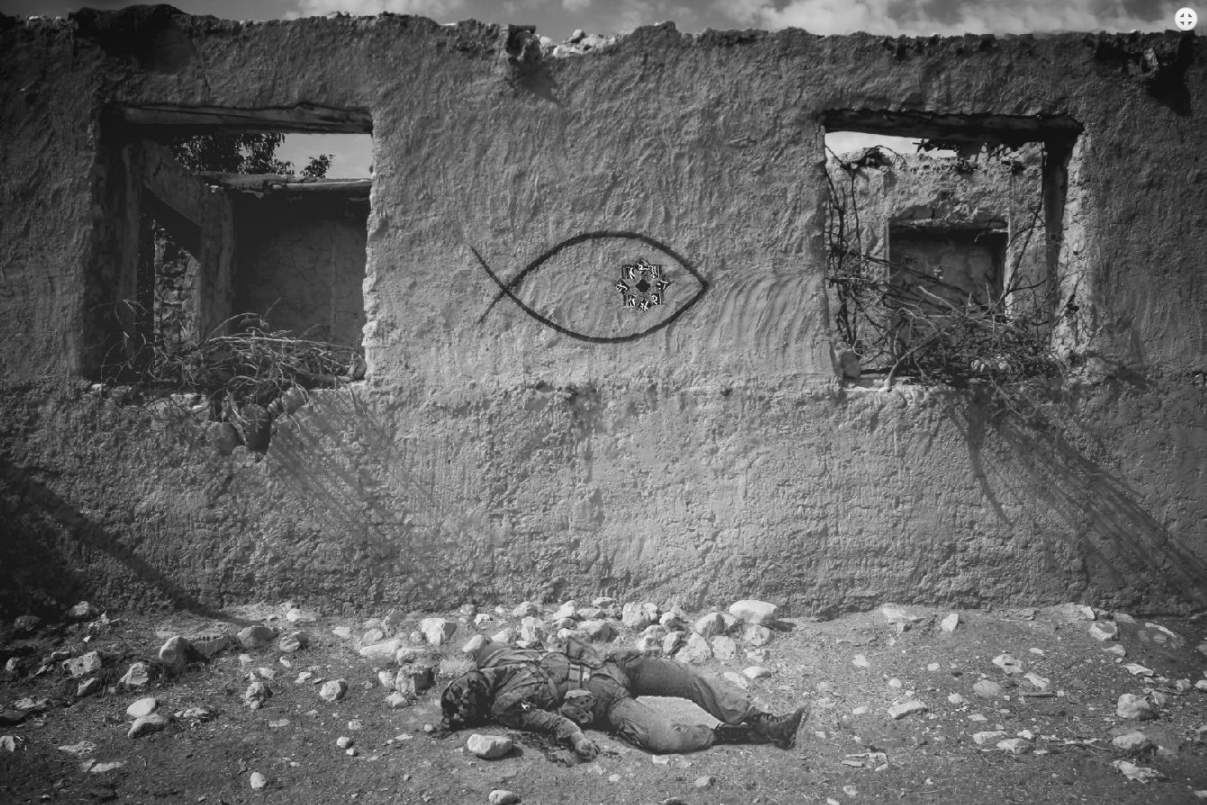
Eight Iranian photographers won awards at the Through the Viewfinder international photo contest held in Kragujevac, Serbia.

The contest, organized by the Kragujevac Photo Club, announced the winners last week. They include Ahmad Khatiri who won the FIAP gold Medal for his photo "Prayer and Mourning for the Martyrdom of Their Fathers in War Zones" in the Photojournalism section of the competition.
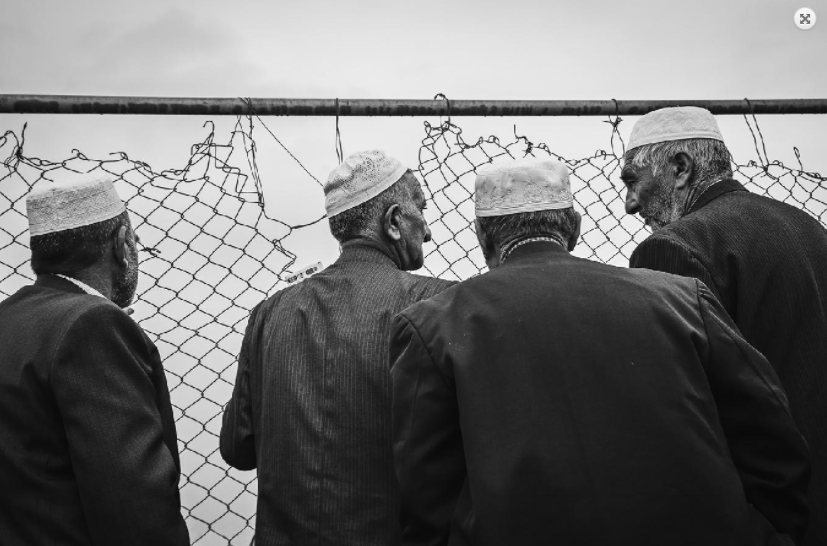
Other winners in the Photojournalism section included Seyyed Omid Alavi who was awarded with the SALON Gold Medal for "War", Saeid Arabzadeh who earned the Master of Light Photographic Association (MOL) Bronze Medal for "Sorrow" and Mostafa Mirtaleb who received the Photographic Society of America (PSA) Bronze Medal for the photo "Betting".
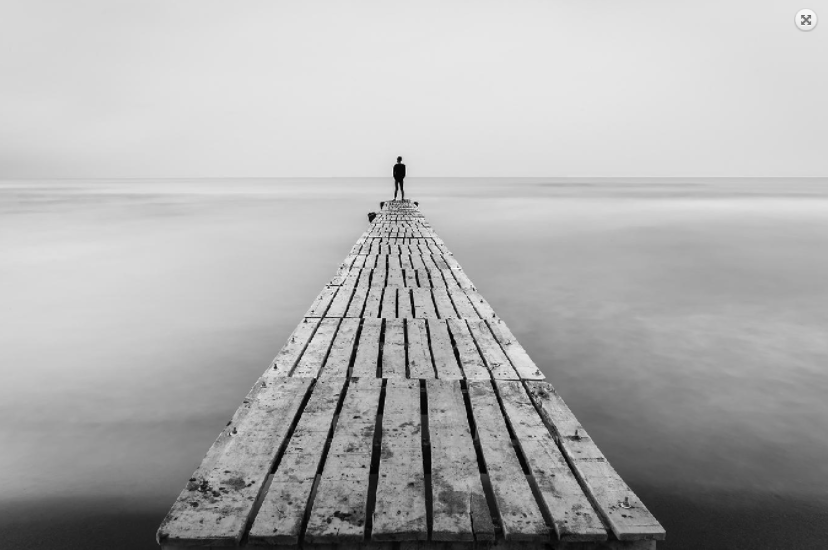
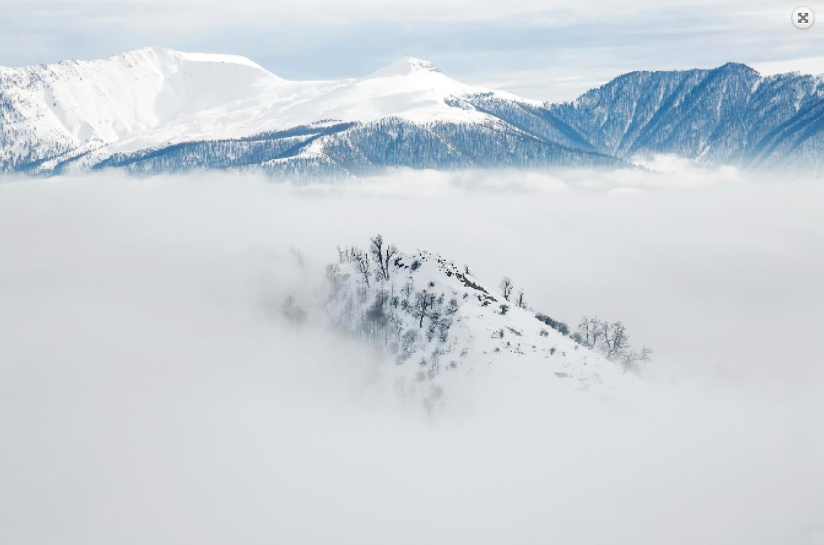
Mirtaleb was also recognized with the SALON Bronze Medal for "Caspian Sea" in the Open Monochrome Section and with the FIAP Blue Ribbon award for his photo "Snowy Mountain" in the Nature Section. Arabzadeh won a second award with a Gold Medal (International Association of Art Photographers award) for his photo "Ghazaleh" in the Nature Section.
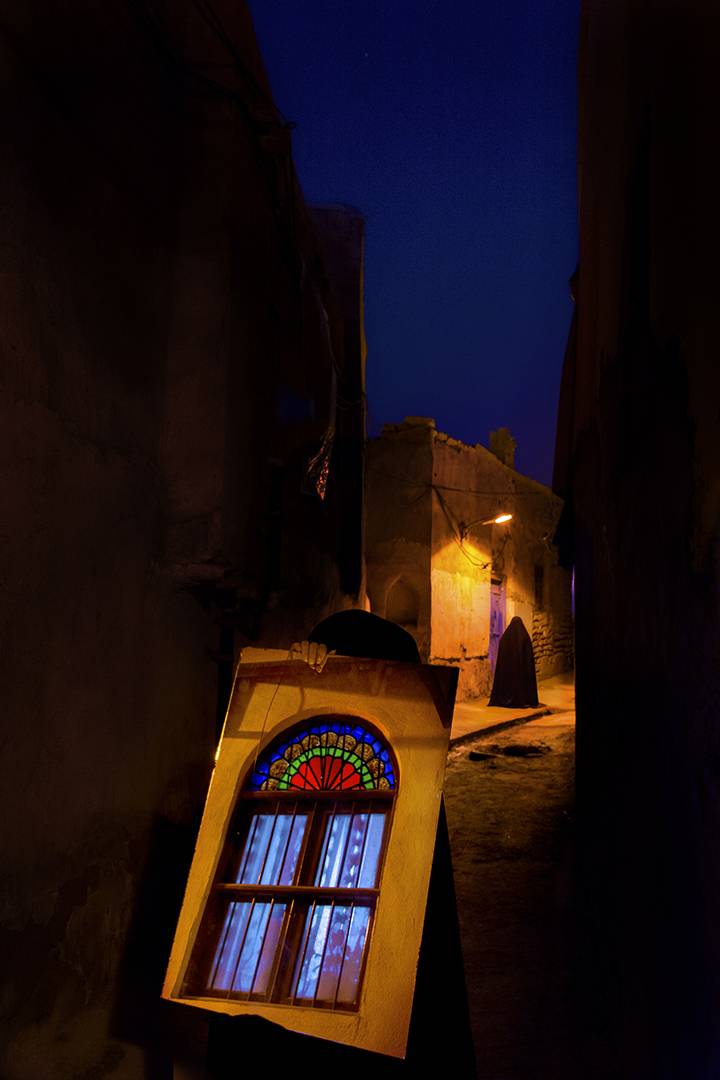
Rounding out the awards was Shiva Mohammadi who received the Master of Light Gold Badge best photo award for her picture "Bring Me the Color of the Night".

The award-winning photos will be showcased in an exhibition at Lumière's Beam Gallery in Kragujevac from December 25 to January 10, 2018.

Winning photos from Iranian photographers:

FIAP Gold Medal – Ahmad Khatiri (Iran) – Prayer and mourning for the testimony of their father in war zones

SALON Gold Medal – Seyed Omid Alavi (Iran) – 'War'

Master of Light Bronze Medal – Saeed Arabzadeh (Iran) – 'Sorrow'

PSA Bronze Medal – Mostafa Mirtaleb (Iran) – 'Betting'

SALON Bronze Medal – Mostafa Mirtaleb (Iran) – 'Caspian Sea'

FIAP Blue Ribbon – Mostafa Mirtaleb (Iran) – 'Snowy Mountain'

Master of Light Gold Badge for The Best photo who promote Master of Light value:Shiva Mohammadi (Iran) – 'Bring me the color of the night'

IAAP Gold Medal – Saeed Arabzadeh (Iran) – 'Ghazalle'

Subscribe to The Iranian newsletterSign up for our daily newsletter to get the top news stories delivered to your inbox.

The Iranian is an online magazine for those who care deeply about all things Iranian: identity, culture, music, history, politics, literature, and one another. Stories like this are made possible by readers like you. Please donate or subscribe to help fund independent journalism for the Iranian Diaspora.
Source: Iranian Photographers Win 8 Awards At Serbian Contest