Wednesday, June 7, 2017

Amateur Photographer With Pro Gear Vs. Pro Photographers With Amateur Gear

We have certainly talked about this before, but it seems Gear Acquisition Syndrome is forever waiting in the wings to try to convince us that that new camera will help us make better images. This is a great reminder that skilled photographers with basic gear will do a better job than someone with a nice camera.

Coming to you from Mango Street, this video shows the team in their studio, during which they give a friend a Canon 5D Mark IV paired with the 35mm f/1.4L II lens, while they themselves go with the six-year-old entry level T3i paired with a kit lens. Granted, this is a controlled studio environment that is not taxing on either the sensors or the autofocus systems, but even so, it's easy to see that while the images from the amateur with expensive gear are certainly not bad, those from the pros with cheap gear are plenty sharp, show stronger posing and composition, and generally have better model engagement with the camera. And while gear certainly makes a photographer's job easier or enables more technically difficult shots in more taxing environments, storytelling and skills typically take precedence over the equipment. 


Source: Amateur Photographer With Pro Gear Vs. Pro Photographers With Amateur Gear

Tuesday, June 6, 2017

What Apple is Doing For Photographers and Videographers

Apple started the WWDC17 event yesterday which is used to introduce the new features to the developer community, for them to use and create new apps with. So here we take a look at what Apple has introduced and what we can expect from our devices in the following months once they launch it. 

iOS 11

It's the camera you always have with you. Apple has updated the camera features for the iPhone. Portrait mode has some new capabilities, and there is some great Live Photos features that it adds to the pleasure of taking and reviewing your shots. In the past there were the live photos feature where you had a video play through of the shot you took. Now, you can scrub through and choose the frame you think works best and use it as the photo. They've also taken a liking to the Boomerang effect found on Instagram, which you can now do with your photos and videos, directly within the Photos app. They call it Bounce. 

You can also create long exposures of your Live Photos, which it seems to do a good job at and you can create loops, which is the Live Photos selection looping. 

Similar to the Fujifilm's mirrorless cameras, the have what they call Professional-Quality filters, which you can use during capture, not only after you've taken the shot.

On the Mac

They have a new compression technology which reduces the size of the image and video on the phone or on your mac up to 50%. This is huge for the guys with massive Photos libraries that hogs up space. It looks like that space it uses can be cut in half when using the new Apple File System. Duplicating, copying, or moving files also look like it'll be done a lot faster with Mac OS High Sierra. 

With video, they are using a new industry standard they call HEVC (High Efficiency Video Coding, also known as H.265). They claim "it can compress video up to 40 percent more than H.264, the current standard for video compression. Using HEVC, videos stream better and take up less space on your Mac, while preserving the same visual quality." 

The Photos app also looks a lot more focused on professional workflows, similar to what once was found in Aperture. We'll only know what it's capabilities are, but I doubt it  can replace any of the software we currently use. 

Conclusion 

There are many refinements on the apps and operating systems we work on on a daily basis. New file structures that allow better compression which uses less space and time to work with. The Photo apps on iOS 11 and OS High Sierra have some new, fun capabilities which will most likely cause me to use the camera more than I currently do. I think this is a big update for them. They seem more focused on appealing to the professional, which is what I think they should be doing.  


Source: What Apple is Doing For Photographers and Videographers

Monday, June 5, 2017

how did wolfgang tillmans become one of the defining photographers of his generation?

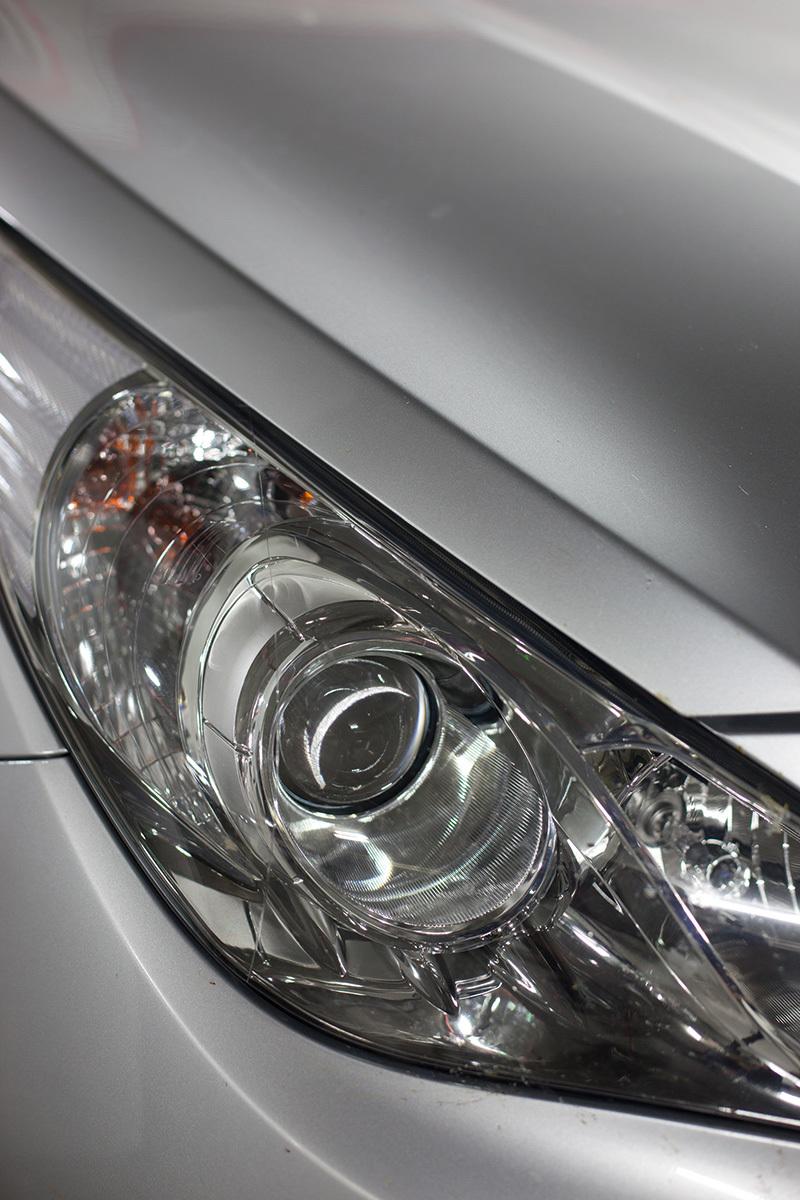
Headlight (d), 2012.

This article originally appeared i-D's The Family Values Issue, no. 347, 2017.

Wolfgang Tillmans is standing in front of a giant photograph, detailing in high-definition an arse and a pair of balls, and laughing. When pressed for an interpretation of the image, he says, with another laugh: "It's just the facts of life." One of his assistants is listening to the theme music from Indiana Jones in the background, the sounds of triumphant violins drifting in from another room, lending a surreal air to our discussion. It's just over a week until Wolfgang's second Tate retrospective opens, and in the galleries he's busy putting the finishing touches to the show. There are assistants methodically working away on boxes of prints. There are pictures resting against the walls. Plans for arranging small prints plastered around the space. One room is still full of building materials.

p.p1 {margin: 0.0px 0.0px 0.0px 0.0px; text-align: justify; font: 8.5px Helvetica}

The image we're discussing is nackt, 2 (nude, 2) from 2014. Upon a deep blue carpet rest a pair of testicles, legs splayed slightly open, a semi-circle of arse cheek covers the top half of the image. It's shot with the crystal sharpness and intense clarity that's defined the artist's recent work. Every hair is visible. Wolfgang states it's not on display as a provocation, it's simply "what we are. It's free of charge and it doesn't hurt anybody. To look at a bum and a pair of balls from this angle is not harmful, yet it seems completely scandalous. It's very difficult to photograph nudity in a new way, but it warrants its place in the exhibition, or so it seems."
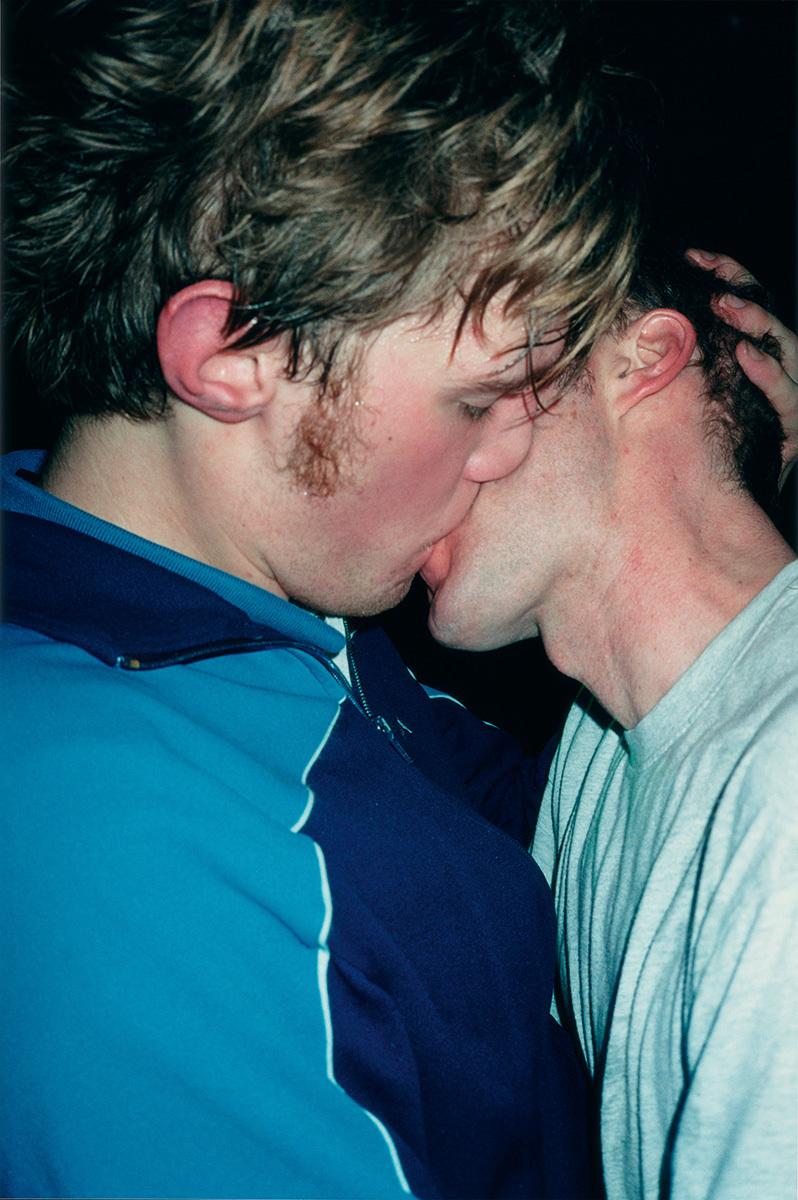
The Cock (Kiss), 2002.

It may surprise you that Wolfgang, for all his unflinching representations of everyday life, sex, dancing, love, and politics, is a photographer who gets easily embarrassed and has to overcome shyness to take even a clothed portrait, but especially to take a picture such as this. "It's very embarrassing! Very!" he states. "That's why there aren't many nudes here. In the 2003 Tate Britain retrospective there were two penises in an exhibition of 350 photographs. Three reviews in the newspapers described the show as being 'littered with genitalia', but I very rarely take sexual pictures, or nudes, because I get so embarrassed." So does his self-consciousness ever hold him back? "No, embarrassment is a good thing," he states. "It's a threshold you have to cross if you want to take a picture. Photography has to be painful almost. I have to want to make that picture so much that I have to overcome my embarrassment."

Wolfgang's second Tate show, simply titled 2017, is not a strict retrospective as such, more a survey of the work he's created since his first Tate Britain retrospective, If one thing matters, everything matters in 2003. So there are no images of Alex and Lutz, no Concordes, no Deer Hirsch andnone of those ground-breaking early images from i-D that made his name either, just 14 years of work by maybe the best artist-photographer in the world; densely beautiful abstractions, blown up black and white photocopies that revel in grain and noise, delicate and humanistic portraits and luxuriously detailed still lives. Wolfgang is, of course, rightly heralded and lauded for his work. In 2000 he became one of the youngest ever winners of the Turner Prize, as well as being the first non-Brit, and the first photographer to win too. He's almost 50 now, yet still full of boyish charm and enthusiasm, his work still propelled forward by a genuine engagement in the world around him. 20 17 feels an apt title for the exhibition. If one things matters, everything matters might be a mantra for those of us trying to find ways into the beauty of Wolfgang's work, defined by its lack of visual hierarchy and openness. 2017, then, is more about Wolfgang "looking for a sense of now" and "uncovering the state we're in." It's the work of an artist uncovering the world around him.
p.p1 {margin: 0.0px 0.0px 0.0px 0.0px; font: 7.0px Helvetica}

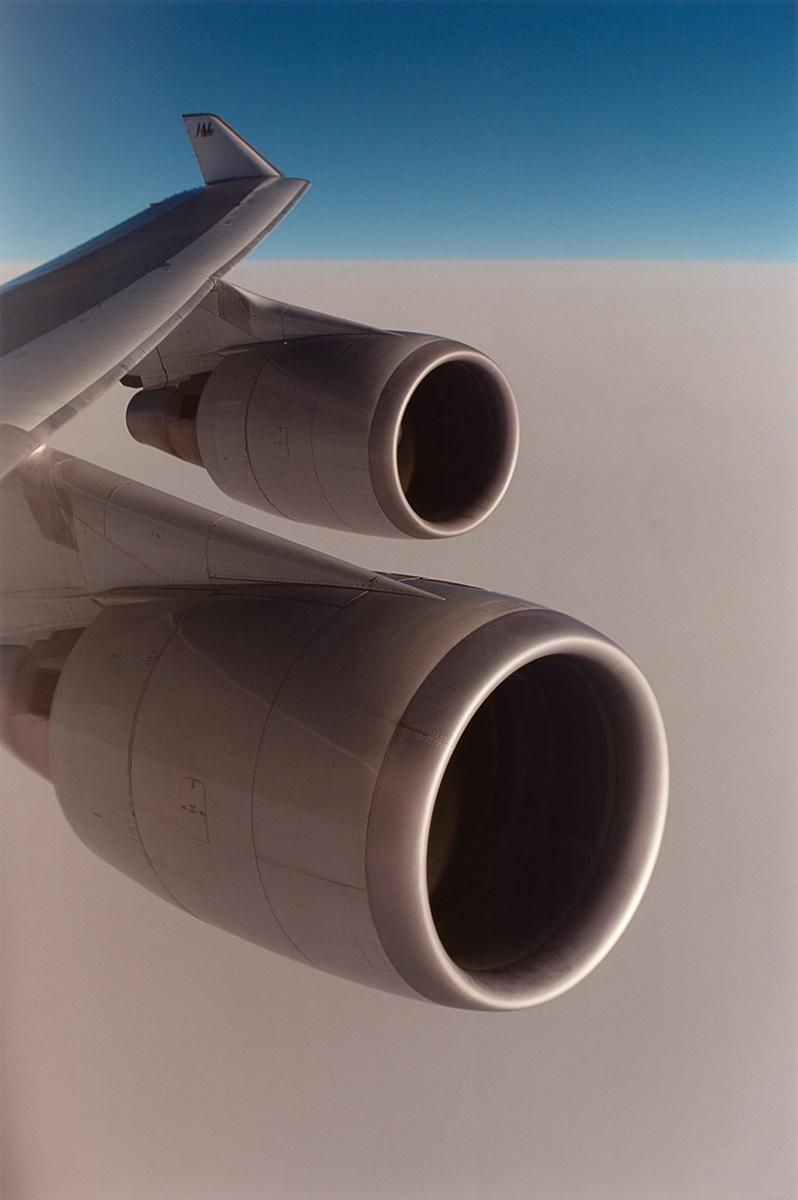
JAL, 1997. 

The state we're in, Wolfgang suggests, began in 2003, with the Iraq War and the massive global demonstrations against it. In particular the "wilful ignorance of the evidence," that propelled us towards war, and "the disconnect between people and politicians," when the protest proved unsuccessful in preventing it. It was an event that ended Labour's post-Thatcher honeymoon years and proved a political millstone around the neck of a generation. "You know the whole 'post truth' thing that we're supposedly living in now?" Wolfgang asks. "Back then that was something that drove me and concerned me very much, and that's how the Truth Study Centre projects came about."

The Truth Study Centre is a series of works arranged on mazes of overlapping narrow tables. It presents a constellation of fragments; newspaper clippings, emails, images, quotes and pieces of text curated from 2005 to the present day. Truth Study Centre is of course a tongue-in-cheek title, but the series isn't about finding meaning in a confusing world. Instead, the alternative-facts and fake-news era we're currently crashing through has put these works into stark relief. In response, Wolfgang has created a new Truth Study Centre work for the retrospective that explores "the backfire effect" which is "the psychological effect observed in people who hold a belief that might not be supported by facts, and when they are faced with the facts about it, it will not change their view, but reinforce it."
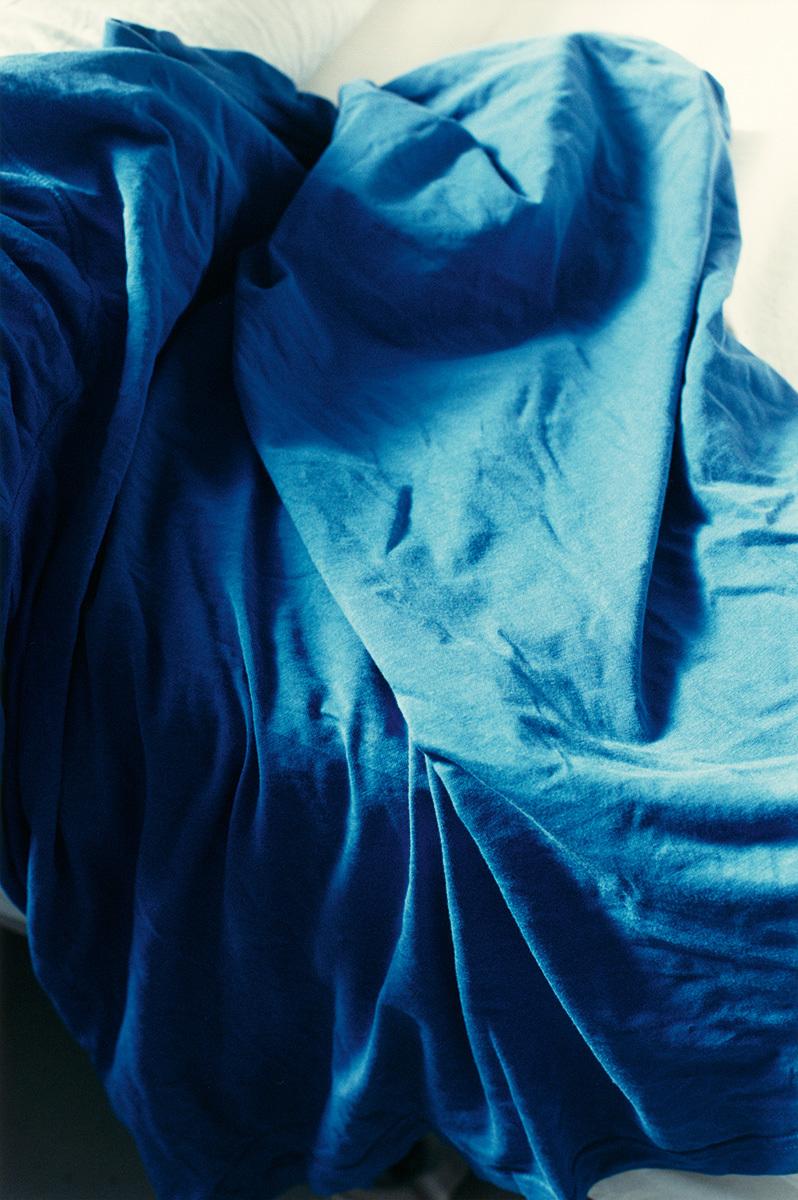
Faltenwurf (skylight), 2009. 

Politics is never far from Wolfgang's work; something evident last year when he took an active and very public role in campaigning for Britain to stay in the EU. 2016 also saw him actively take a stand against Trump's presidential campaign; utilising his public platform to try and prevent the slide towards racism and nationalism we're experiencing right now. But in the last two years Wolfgang has also immersed himself in his work as a musician. He was in a band in Germany in the mid 80s before he even picked up a camera, and recently returned to it, fronting a 'traditional' band, called Fragile, and also embarking on an electronic project under his own name; one of his songs appearing as the coda to Frank Ocean's Endless visual album. "I didn't embark on all these projects last year because there was a stagnation or a vacuum in my art practice," he begins. "The music just wanted to find a way out." But even now, back "concentrating on the main thing I do" as he puts it. Politics and music are always inescapable for Wolfgang. In the exhibition itself, music finds form as a listening room dedicated to work of the 80s avant-garde pop group Colourbox. Part of his mission to get people to take pop music seriously as an art form, something he's been pushing at his Between Bridges project space in Berlin. But music is there in many of his photographic works, 2017 features portraits of musical idols old and new, from Morrissey to the aforementioned Frank Ocean, through to images of clubbers lost in passion.

"In some ways I see myself as an amplifier," Wolfgang explains. "It's not the only role I have, but photography lends itself to amplifying things because it is a medium of mechanical multiplication. I felt from early on in my career that I could give physical space to ideas through my work. That was what my early work in magazines was about, in particular i-D. I wanted to use photography to give that space over to something I liked, like the peace movement. Or, for example, we're sitting in front of this portrait of Patti Smith, a very unusual portrait because she's being portrayed on a 15 metre digital screen at Glastonbury. To place that here is giving her space, giving Glastonbury space, giving what Glastonbury means to people that space. Or the picture next to it, which I think will move by the time the exhibition opens, of six or seven people in intense conversation in a bar in St Petersburg. It's giving space to the very human act of talking to each other, instead of the act of buying designer handbags."
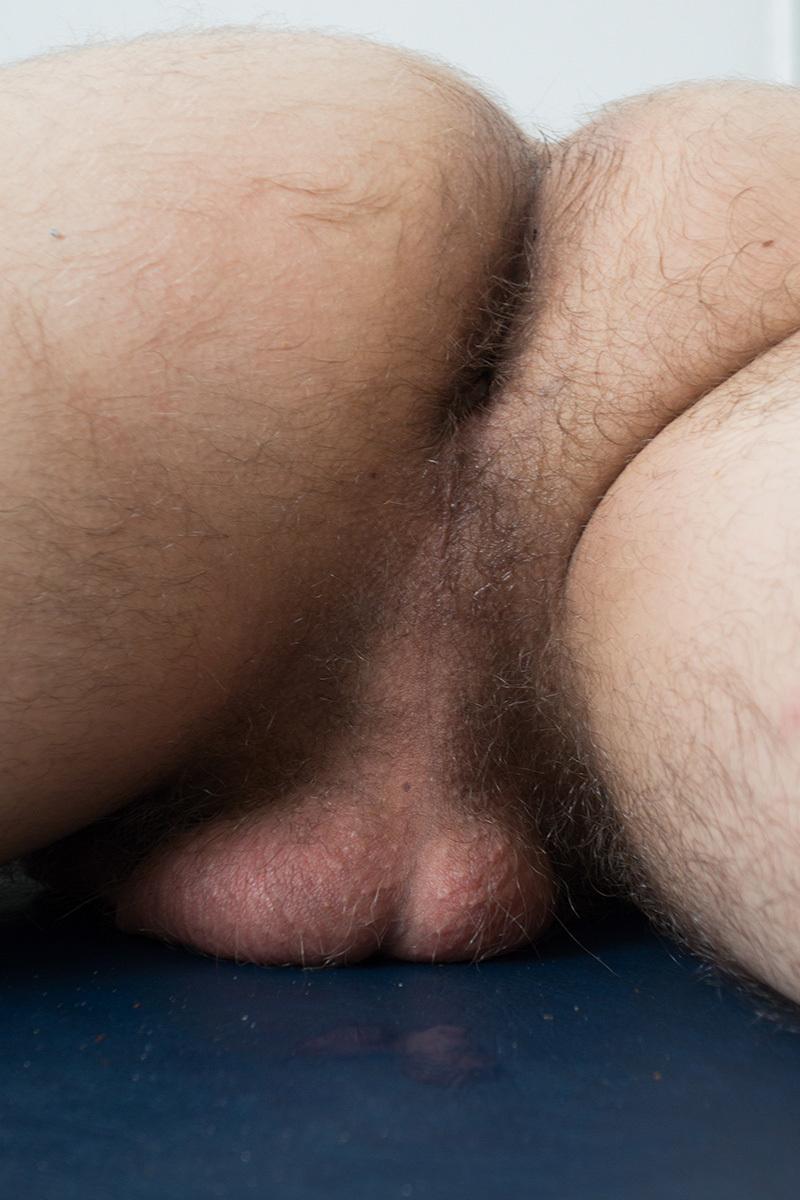
Nackt, 2 (nude, 2), 2014. 

For all this talk of politics, music and space, it's easy to lose yourself in the beautiful imagery Wolfgang creates - even if he insists, "beauty is only a concept, a definition, something different to different people." Specifically the large scale, super detailed photographic works he's been creating recently. Wolfgang started using a digital camera in 2009, and stopped shooting analogue in 2012. One image that stands out from this recent period is a simple shot of a bright green weed sprouting out of concrete, captured in hypnotic high resolution. The detail these images capture gives them an almost 3D quality in the way they squash together depth and flatness. Another image, almost entirely white, called In A Cloud, was taken through a plane window as he flew through a cloud. "Every photograph is an experiment," Wolfgang continues, whether it's of a person, an object, wildlife, or the whiteness inside a cloud. "It was an experiment to see whether I could take a pic ture of it. People are afraid of using the most common subject matter - and that's what I get accused of doing by some critics - but it's really about seeing whether I can take a picture that captures the nature of something, but also the very specific feelings of that moment, in this time, in this place." It's this that lends such simple subject matter such resonant emotion, such depth, beauty and visual complexity.

It's hard to describe what gives Wolfgang's portraiture its essence, its Wolfganginess. You can recognise his work a mile off, somehow. There's a humanity and simplicity to the way he captures people. There's no trickery, no showy concepts, just an image that captures the soul. One photograph, of an artist called Philip, is particularly memorable, especially amongst the more famous names on the walls. And we could discuss all the famous names he's shot over the years, but this image seems more him, in its humbleness, openness, heart and soul. Dressed casually in a green baggy T-shirt and jeans, Philip is staring right into the camera, fiddling with his hands.
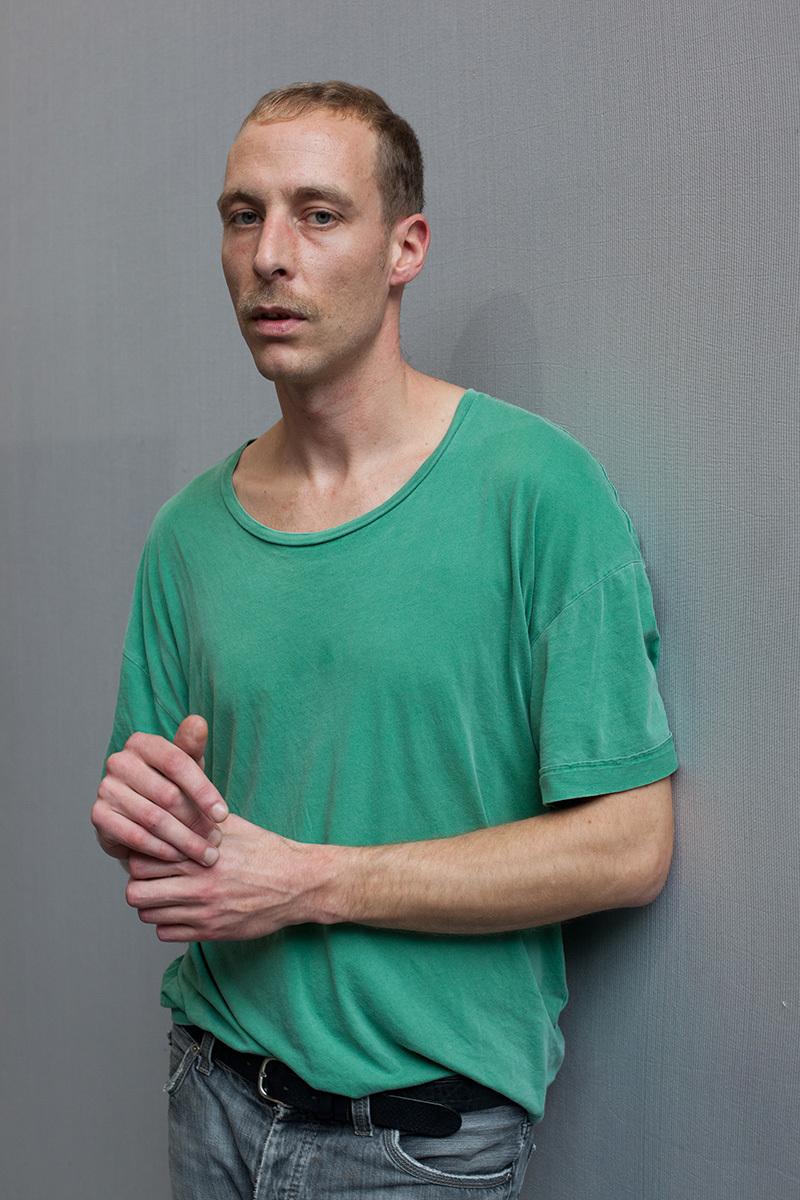
Philip Wiegard, 2011.

"It's so fascinating about photography, isn't it? That you can tell from a mile off who a picture is by," Wolfgang laughs. Not that there's a formula to the way he works, each portrait "has to be felt new each time." And this portrait of Philip, for all its apparent simplicity, took years to shoot. "I had been observing and noticing him, and wanting to take a portrait of him for some years, so in my mind it matured. But because I was embarrassed, I could never ask him if he would sit for me. Then this picture was taken backstage at a Meadham Kirchhoff show at London Fashion Week, the most unlikely setting for such a personal portrait. It took me literally five minutes, but years as well. That's the amazing thing about photography, it can condense years of thinking into a moment."

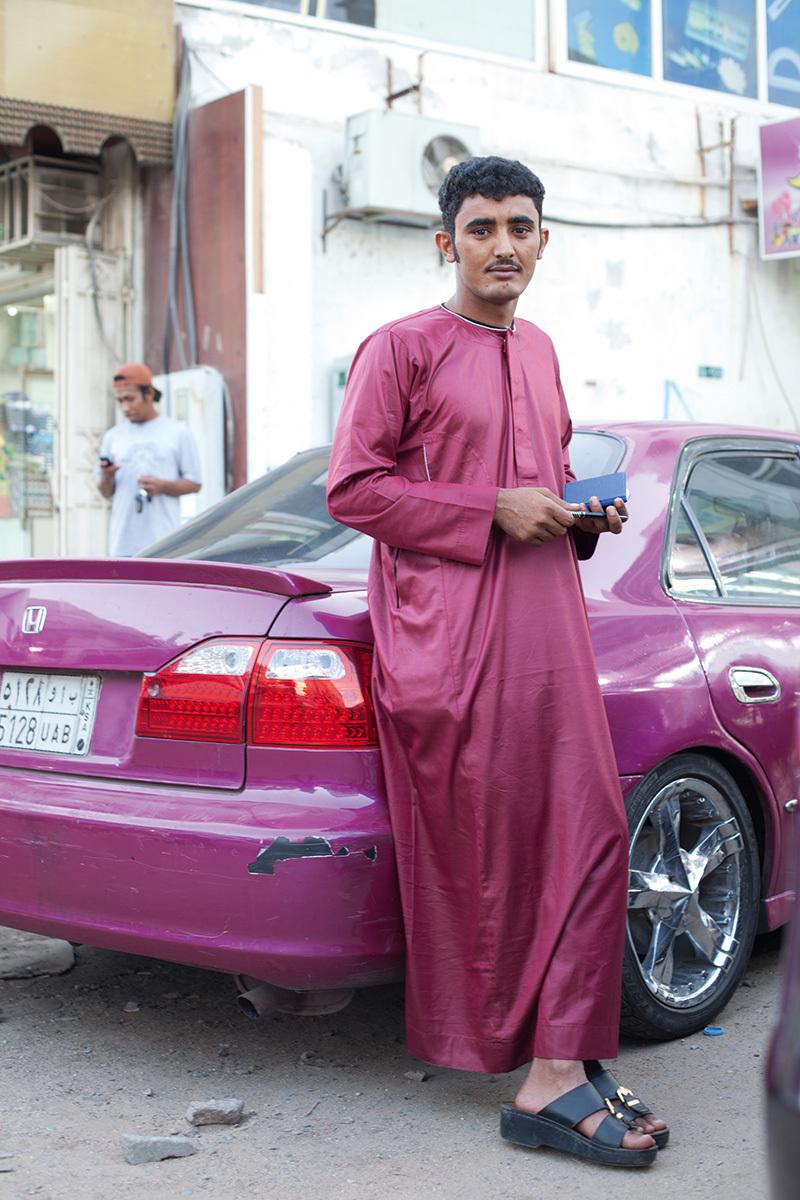
Wolfgang is not one of those photographers taking pictures all the time. "I'm not walking around all day, every day, with a camera," he says, standing in front of a portrait of an anonymous young man, dressed in purple robes, in front of a purple car in the Saudi Arabian city of Jeddah. There's something sphinx-like and intriguing in the man's expression and circumstance. "I have a strong sense of embarrassment, which means that only occasionally is there a clarity that overrides it, that means I can take the picture. In this moment, in the old town of Jeddah, when there was a lucidity. I was seeing everything with such clarity. I just felt I had to take these photographs."
p.p1 {margin: 0.0px 0.0px 0.0px 0.0px; font: 7.0px Helvetica}

Young man, Jeddah, (a), 2012.

"I thought Saudi Arabia would be the worst place to ever go to as a gay person," he continues. "Then, when you are there, you realise there are five million people living in Jeddah, and the people I met were, of course, nice human beings. Wherever I go that's been my experience. People are people, as the Depeche Mode song goes. This whole demonisation of the other doesn't work when you are up close and face to face." Which maybe stands as a nice closing mantra for the exhibition, for Wolfgang's work and his approach to photography. It's all about finding the humanity and universal emotional centre of us all, collapsing us and them together.

As I leave Wolfgang to his boxes of prints, wall plans and hard-working assistants, he seems remarkably calm, but then he's done this all before of course. Few people get two Tate retrospectives. Less get them whilst they're still alive. So if he doesn't seem particularly nervous, maybe it's because he's rightly confident in the power of his work, it's there for all to see. Before leaving he points to a large, beautiful, abstract print. "A lot of people want to know what these works mean," he says. "They want a manual to read it correctly, but it's just about accepting and bearing what is in front of us. The irrationality and absurdity of life is so powerful that sometimes you have to embrace it."

Read: From one icon to another, Arca is shot and interviewed by Wolfgang Tillmans.


Source: how did wolfgang tillmans become one of the defining photographers of his generation?

Sunday, June 4, 2017

Should Real Estate Photographers Supply Materials for Listing Presentations?

MarketingBrochureDarren in California says:

I've had a handful of agents lately ask if I have some sort of materials or presentation they could utilize during their listing presentations with potential clients of theirs. Essentially, they want to showcase to their potential client that they partner with my services to help promote their listings.

I have a price sheet, a demo reel of my drone work, and a small brochure; but I believe they are looking for something more specific to leverage in a listing presentation.

I'm wondering if other real estate photographers have a strategy or piece of media they provide to agents specifically for their listing presentations? Or should I just be content with referring them to my website(s), price sheet, and demo reel?

In my experience, doing hundreds of listing presentations over the years with my wife, the primary thing a listing agent is presenting to a potential listing client is their history of success. That is, showing how they have marketed listings they have sold in the past and how they are going to market the potential client's property if they get the listing. In fact, 90% of the listing presentations we did were to home sellers that had seen the way we've marketed a listing and wanted theirs marketed the same way too.

So the answer to your question is yes; provide your clients with examples they can show their clients (photos, tours, brochures, videos). Here are a couple of related points:

  • Most competent listing agents these days will be doing listing presentations on tablets. Provide them with materials they can use in a tablet presentation. Help them set it up if they need.
  • Forget about price lists. Home sellers typically aren't paying you.
  • The material on the condensed Realtors Photo Guide can be used in a home seller brochure that explains why professional photography is important. Although these days, home sellers understand this stuff better than most listing agents.
  • Does anyone else have suggestions?


    Source: Should Real Estate Photographers Supply Materials for Listing Presentations?

    Saturday, June 3, 2017

    Wedding Photographers Reveal their Cringiest Stories

    For many, the wedding day is the crowning achievement of a life well lived.While some might consider the pomp and ceremony around weddings a little outmoded in this modern world, for others the wedding day is a celebratory moment of solemn vows undertaken by loving partners.Weddings are notoriously expensive, an undeniable fact that often leads to an obsessive attention to detail from those involved; everything must be perfect, from the cake, to the dress and the venue.Perhaps this is why when things going wrong the consequences are so devastating (and hilarious for those with cruelly watching the subsequent videos online), weddings are a cauldron of emotion that can all too easily spill over.An essential part of the events of the day, of course, are the wedding photographs; rendering in perpetuity those happy memories to look back on in the years that follow. Unfortunately, sometimes circumstances conspire against even those cherished moments, leading to these cringeworthy stories from wedding photographers that will leave you wondering why anyone would get married.

    1. When the best man declares his love for the groom… During his speech

    2. Thank god for the powers of Photoshop

    3. Candid camera…

    4. Not your normal wedding day photo-shoot

    5. Bride of the year?

    6. A whole album of unhappy memories

    7. Making her feelings clear

    8. Best wedding ever?

    9. The crown jewels of the photo album

    10. Ignorance truly is bliss

    Proof, then, that the special day doesn't always go to plan. If you have a good photographer and an excellent sense of humour, however, pictures of when things went a little awry might end up being your most cherished of the whole album.


    Source: Wedding Photographers Reveal their Cringiest Stories

    Friday, June 2, 2017

    Udacity offers photographers the chance to be Virtual Reality pioneers.

    Virtual Reality is predicted to be worth £108bn by 2021. To a large extent, the emergent technology is rooted in basic photography skills. A new online course offers the chance to get involved in the technological arms race that could usher in a cultural epoch.

    In 2003, the British photographer Robbie Cooper was employed to photograph the CEO of a large business. As they talked between shots, Cooper learnt that the man had recently separated from his wife, and didn't get much of a chance to spend time with his kids – until he found something called Everquest.

    Everquest was an early iteration of the 3D fantasy-themed role-playing computer games that cropped up at the turn of the millennium when multiplayer online games were really taking off. Every evening, the businessman would log onto Everquest and, through the game, spend time with his children – or at least the cartoonish, anime-style virtual avatars of his children.

    As they played together online, the businessman would ask them fatherly things – how their schoolwork was going, what was going on with their friends, how their mother was getting on. He was using his virtual self to compensate for the absence of his real self.

    Jason/Rurouni © Robbie Coop er

    Cooper says of the experience: "This emotional exchange, taking place in the fantasy of the game, got me thinking about the distinction between reality and virtual reality. It seemed clear that our understanding of each reality would increasingly merge. It seemed like the obvious evolution of our culture."

    In the artistic statement for a photography series he later shot, in which Cooper photographed portraits of gamers next their avatars, Cooper quoted Kevin Kelly, co-founder of Wired magazine. "New technology is catapulting images to the centre of the culture," Kelly said. "We are becoming people of the screen."

    Cooper has left stills photography behind. But his new career remains totally embedded in the language of image-making, for he has founded his own virtual reality company, the Brighton-based Metapixel. Cooper has built what he claims is one of the most advanced virtual reality scanning rigs in the world, designed to create lifelike replications of people in video games. The rig features 105 Nikon D810 36-megapixel cameras – each linked and capable of working symbiotically. Rather than using one stills camera, Cooper has learnt how to use 105 simultaneously, to shoot images that can exist in space rather than hang on a wall.

    © Metapixel

    Cooper had to work it out by himself, but he expects many other photographers to take his lead as opportunities to learn about VR grow and the brands that photographers work with today on conventional photographic projects start to adopt the technology.

    He thinks getting ahead of that curve and becoming the "first photographer in the room to get VR" is something other photographers should do if they want to position themselves in a rapidly growing new area of imaging. A remarkable new online virtual reality 'nanodegree' from the new Silicon Valley-based online university Udacity could be one way of getting started on that journey.

    Udacity is an online educational startup that provides 21st century skills-based and vocational courses. With both public and private backing, more than 40,000 current students, and courses spanning topics such as digital marketing, mobile app development, and web development to cutting-edge courses in robotics, machine learning, and even self-driving car engineering.

    © Metapixel

    © Metapixel

    Udacity's six-month long VR nanodegree offer students a certified qualification that, according to the company, is more rigorous and recognised for its practical usefulness than many other VR qualifications but without being as intensive and time-consuming as a full-time university degree.

    "People want to develop specific skills that allow them to land a job or start a company. Udacity teaches those skills in a highly focused manner and helps filter students directly into a great job at top-tier companies," says Matt Sonic, the lead instructor on Udacity's Virtual Reality nanodegree. "It's like a university, but built by industry."

    The educational nanodegrees, the first of their kind, are designed to help communities outside major urban centres meet the rising demand for high-tech skills and connect them to Silicon Valley. Udacity's Virtual Reality Developer Nanodegree programme is aimed at photographers who, like Cooper, want to steal a march on this new, rapidly emerging and quite possibly revolutionary, area of the image-based industries. The VR nanodegree aims to provide its students with "just-in-time" professional skills.

    To develop the nanodegree, Udacity's VP of Learning Christian Plagemann and Matt Sonic interviewed top technology companies and asked what skills they wanted for virtual reality developer positions. From there, Udacity worked with Google VR, Upload, Unity, HTC Vive, Samsung, and Unreal to develop a core curriculum focusing on VR development. The programme grew by focusing on the skills employers want to find.

    "Virtual Reality is going to revolutionise how photographers create art," says Sonic. "Instead of capturing a moment in a frame, photography will transform into capturing a moment in a space. You can still have the frame, but it is no longer required.

    Mun & Lee/ Crammer © Robbie Cooper

    "This nanodegree is for everyone interested in VR development, regardless of your prior experience. You'll learn how to make VR films, some programming, and a lot about how create immersive interactions and environments," says Sonic.

    "Students start by learning cutting-edge mobile VR development. Then, they specialise in either Desktop VR programming using Unity, Desktop VR using Unreal, or 360 Immersive Media development. For anyone wanting to work in VR, even if it's not on the programming side, having a basic understanding of the whole VR ecosystem, including the software elements, is going to be a big plus in getting work."

    VR Room at Nick Thornton Jones and Warren Du Preez's 'Immortal' photobook launch e vent

    And the payoff for first movers in the VR career market could be huge. According to KZero, a global VR consulting firm, the consumer virtual reality market will be worth $5.2 billion by 2018. TechCrunch, meanwhile, are forecasting the VR industry will be a $108 billion market by 2021.

    The trend hit headlines in 2013, when Facebook spent $2 billion for Oculus VR. Google quickly got involved by investing in startups like MagicLeap, and Microsoft also became involved in VR and augmented reality (AR) with their large investments in HoloLens. Sony and Samsung followed, launching their own virtual reality prototypes.

    The technology is still in its early stages, but may have parallels in the mid-noughties mobile phone phenomenon. At first, mobile phones weren't user friendly – then suddenly, they became ubiquitous. Now it's hard to imagine life without one.

    "Smartphones enable access to any information from anywhere," says Christian Plagemann, who co-founded Google's virtual reality team before becoming the VP of Learning at Udacity. "Now, with virtual reality you can be anywhere and experience any place as if you were there. This new technology is about the experience and the feeling of presence, the understanding of space, environment and scale.

    "Creators are not limited to black rectangle screens any more, they can create entire worlds, spaces and experiences – creating with an infinite amount of pixels, immersive sound and the most direct forms of interaction we have ever had available for users."

    "No other medium can create such an intuitive understanding of space and size. Imagine, for example, seeing a beautiful large building on a smartphone, computer monitor, TV or movie screen. You will never be able to truly grasp its size and the feeling of its size. With VR, however, you intuitively feel how the building fits into its surroundings, whether it is overwhelmingly large or just right. You experience space in a very direct, instinctive way."

    In 2003 it was extraordinary, even strange, to find an absent father learning how to spend time with his children through their avatars, in the virtual space. In the next decade, this could become the norm for all of us – how we socialise, make friends, meet new people, play with and educate our children, and spend our leisure time.

    "What is really exciting about this new technology is that anyone can learn it quite easily," says Plagemann. "If you have access to a computer, some creativity and an open mind, you can jump right in."

    For photographers worried about their future prospects, in an industry that sees its traditional revenue streams continuing to dwindle, then given its potential, learning about virtual reality could feel very appealing. Udacity's Nanodegree might very well be a good place to start – the course is now open for enrollment until June 11th!

    Sponsored by Udacity: This editorial feature was made possible with the support of Udacity. Please click here for more information on sponsored content funding at British Journal of Photography.


    Source: Udacity offers photographers the chance to be Virtual Reality pioneers.

    Thursday, June 1, 2017

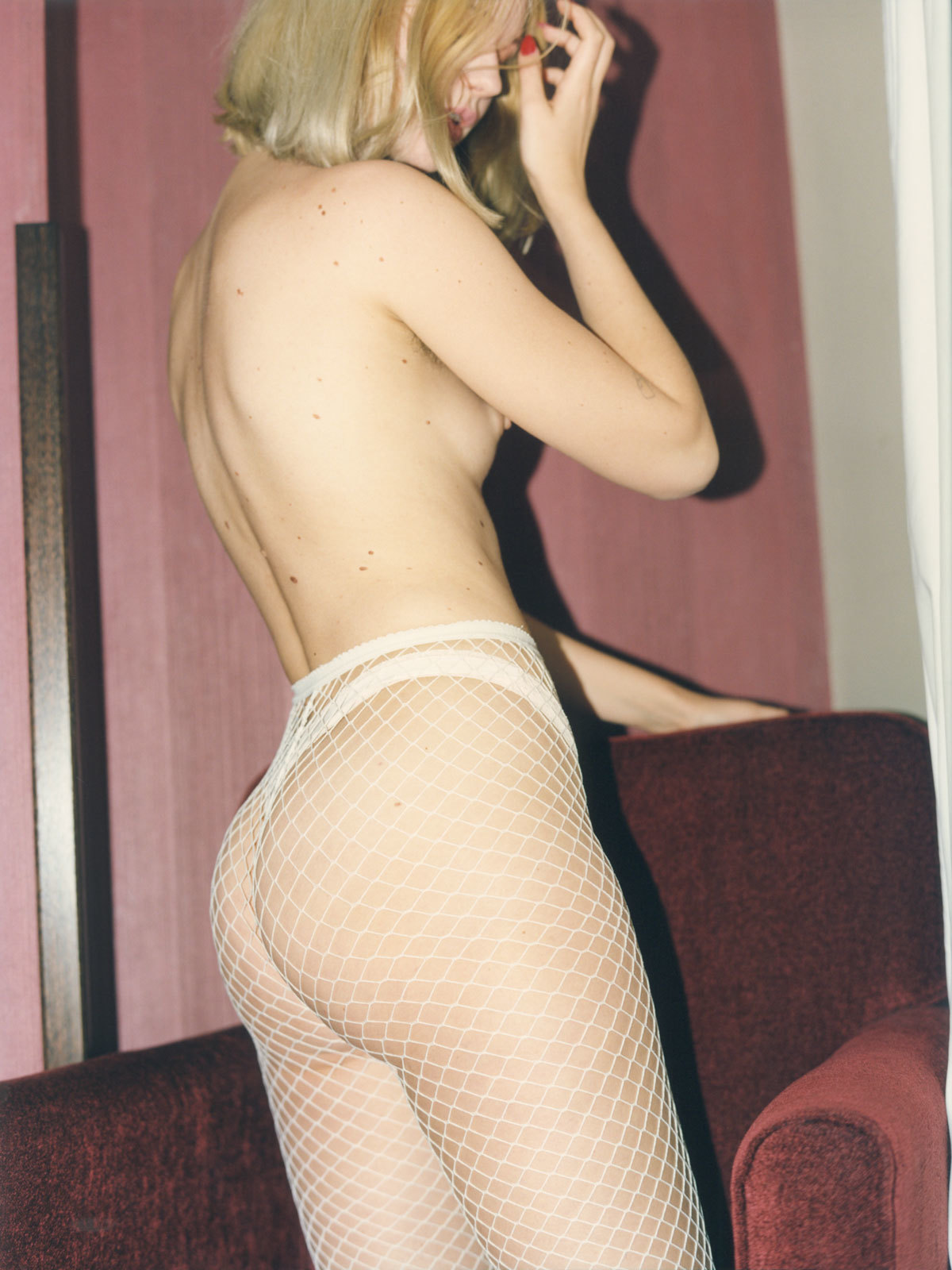
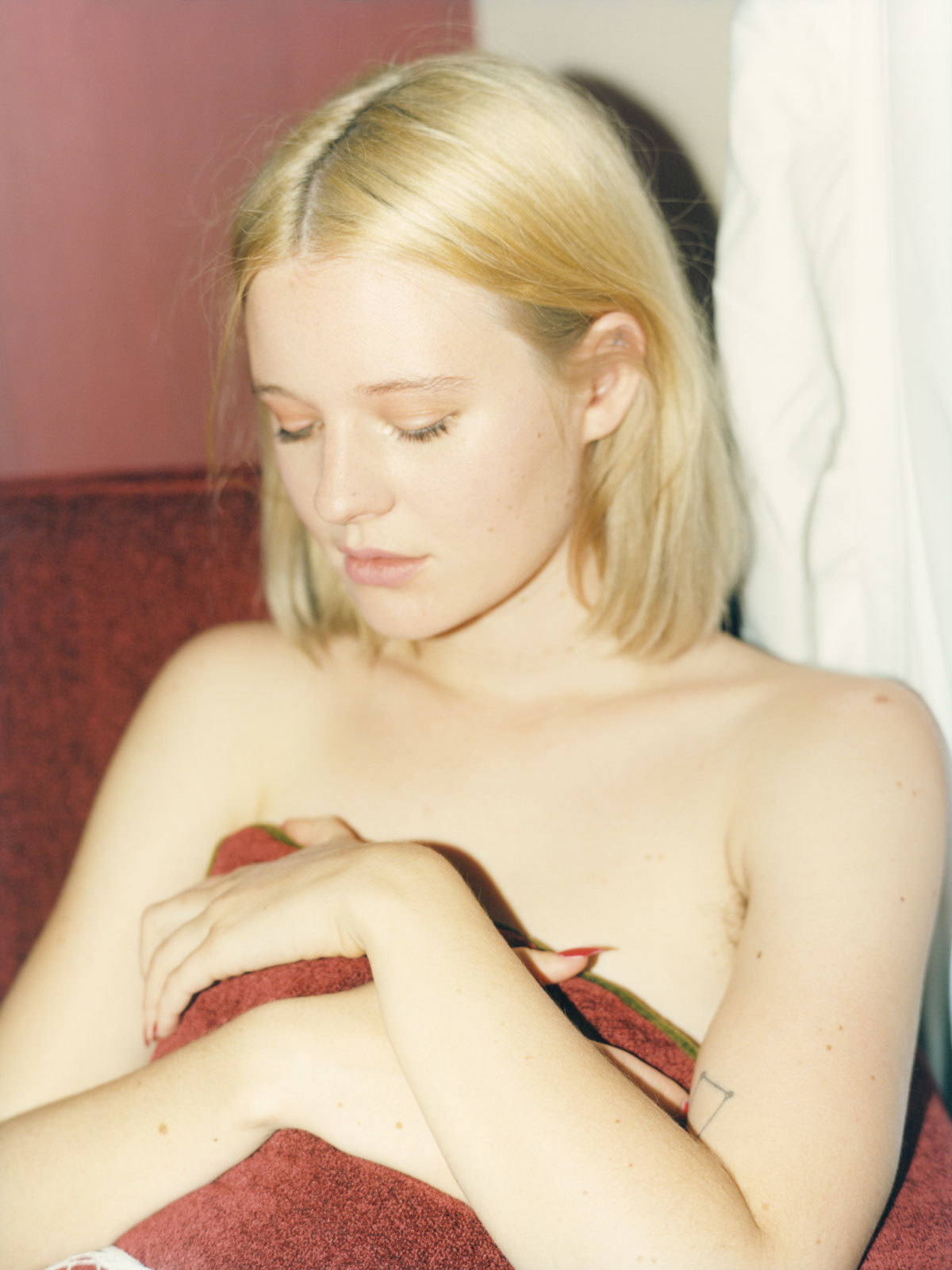
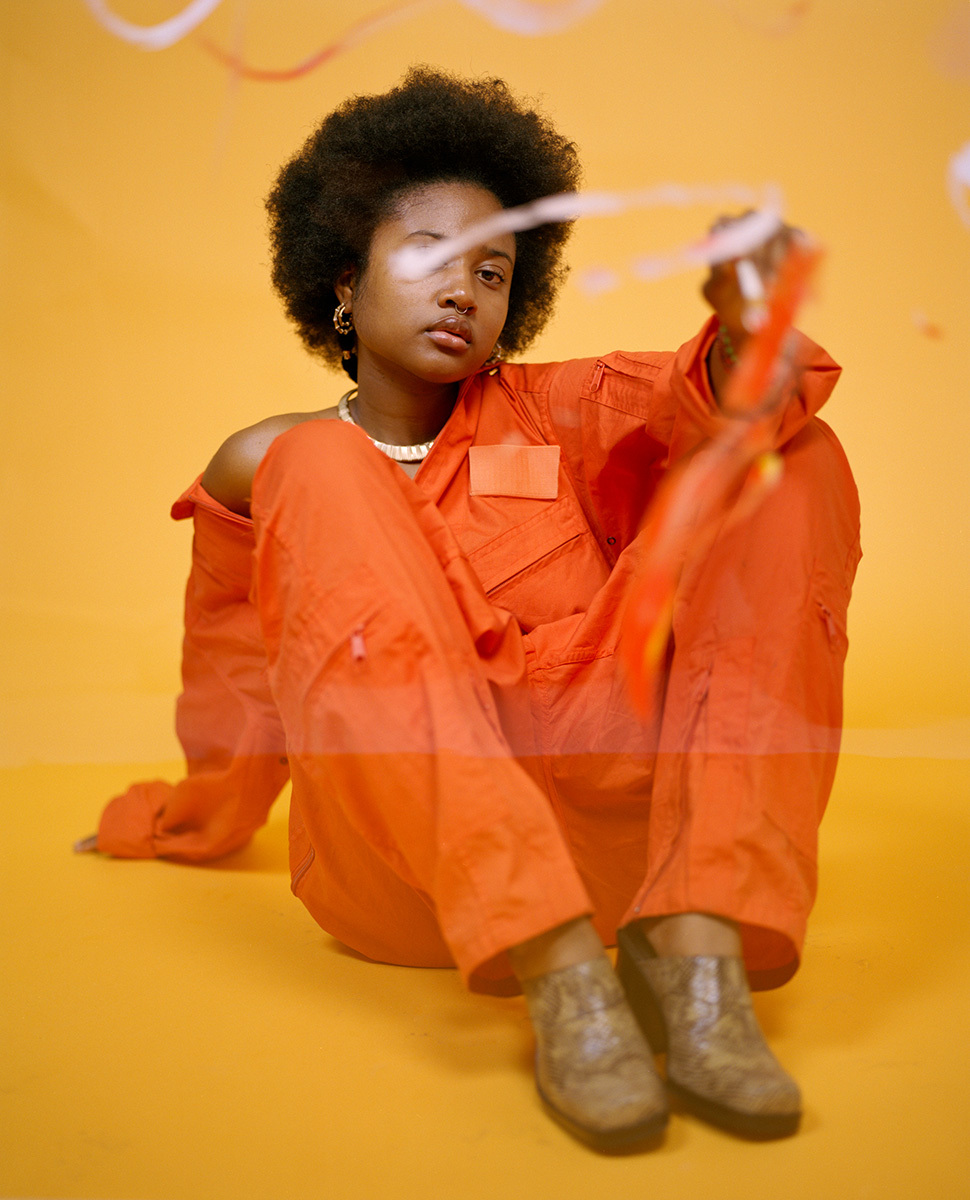
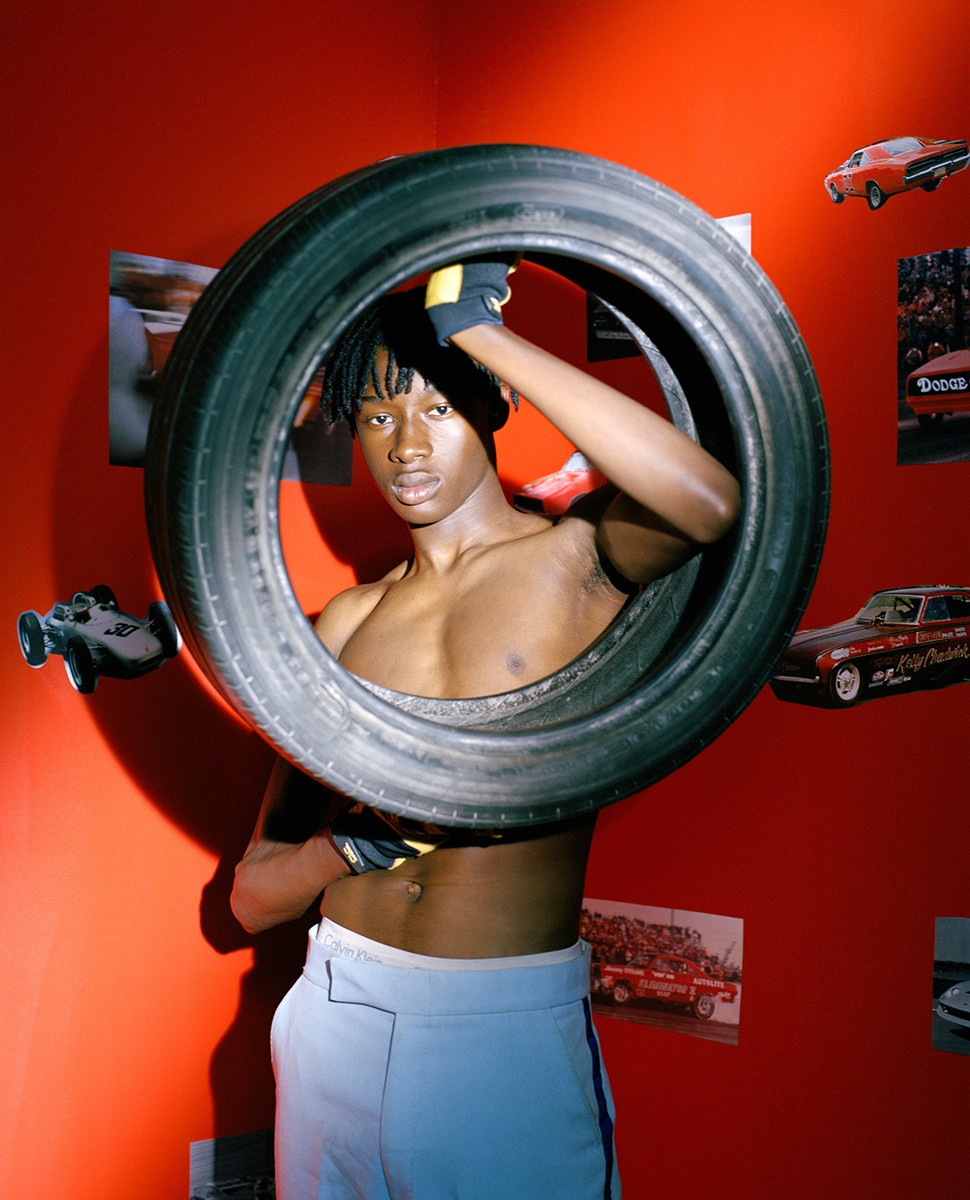
    young photographers explore the diversity of beauty today: part three

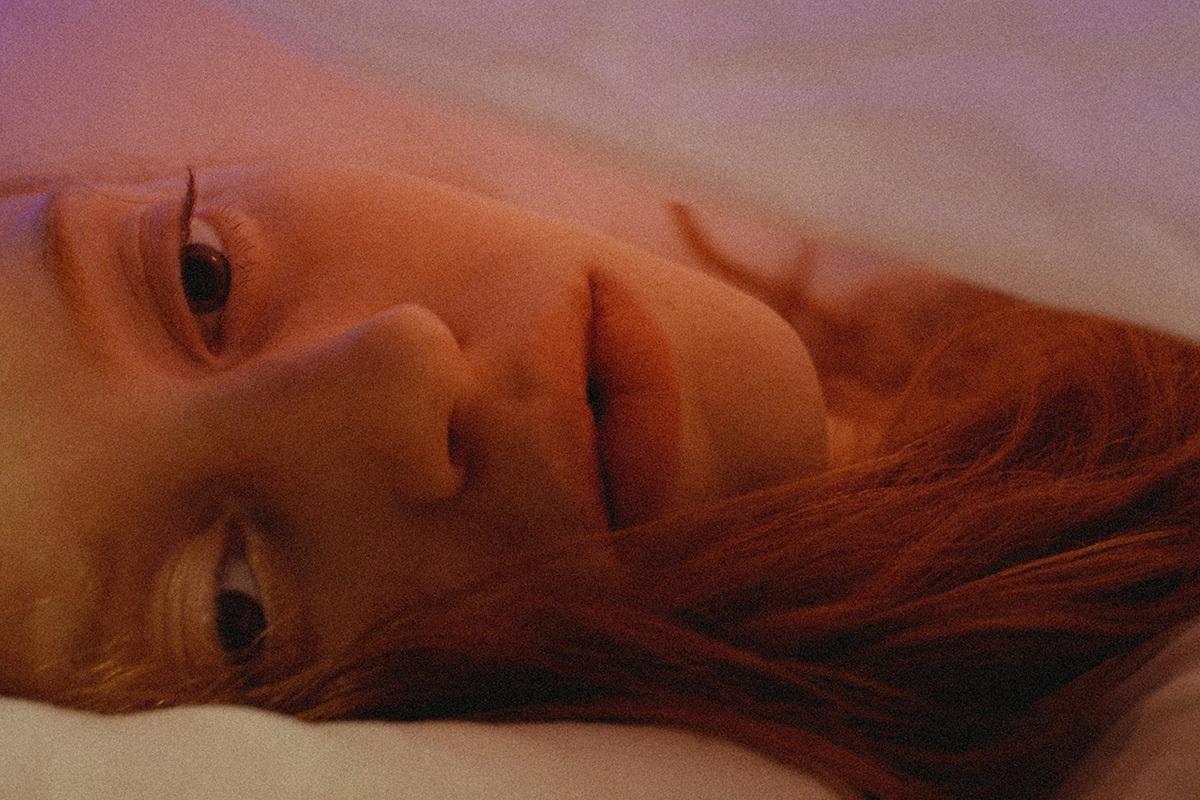
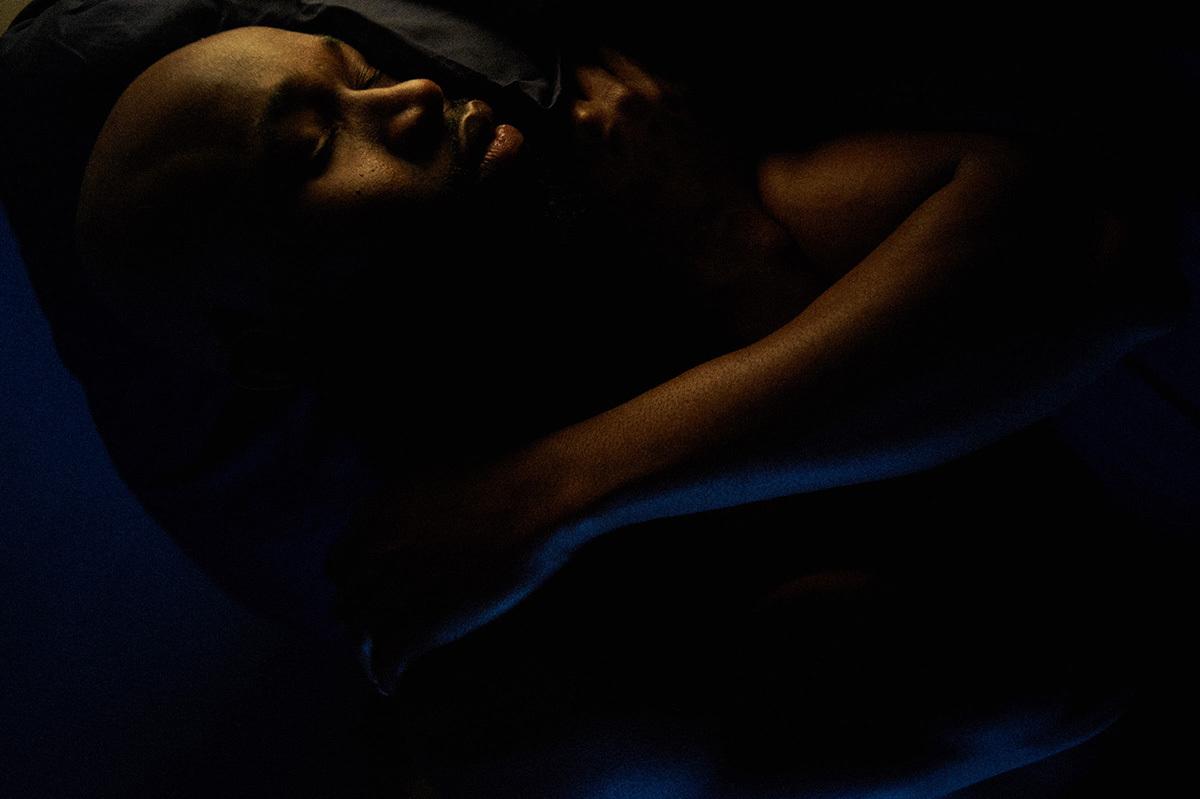
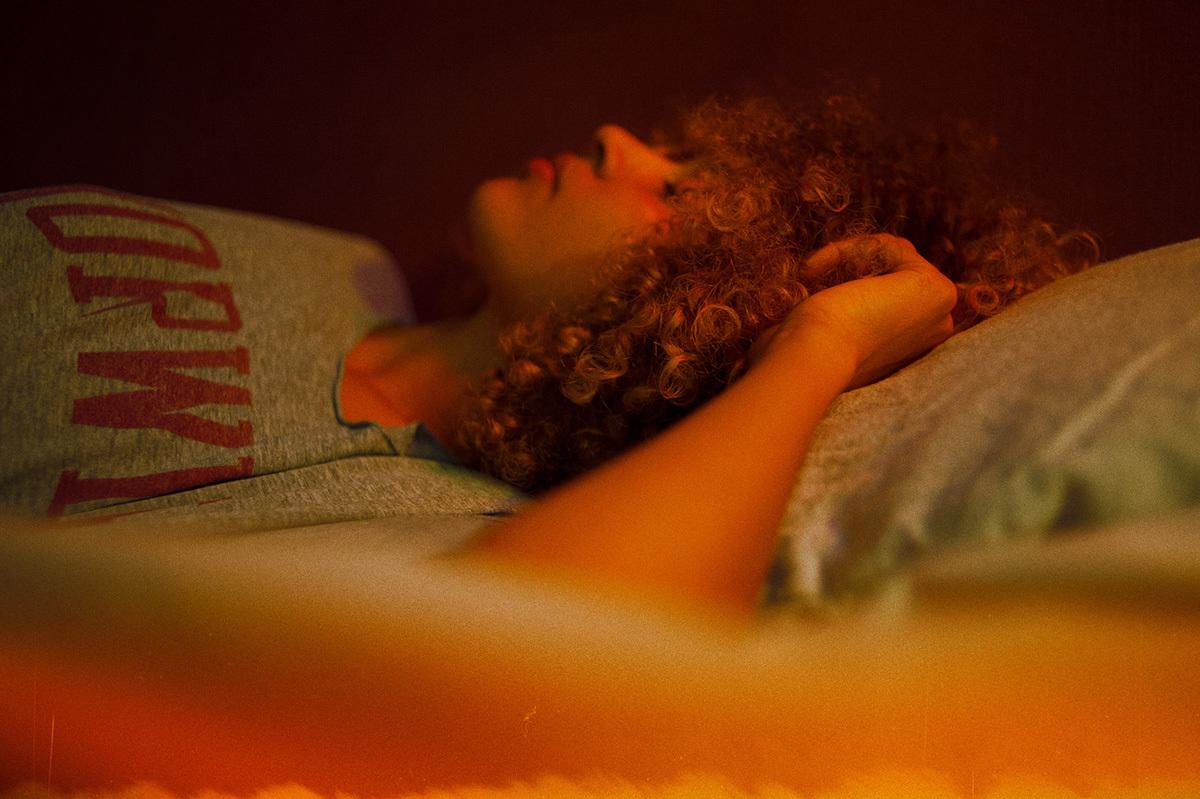
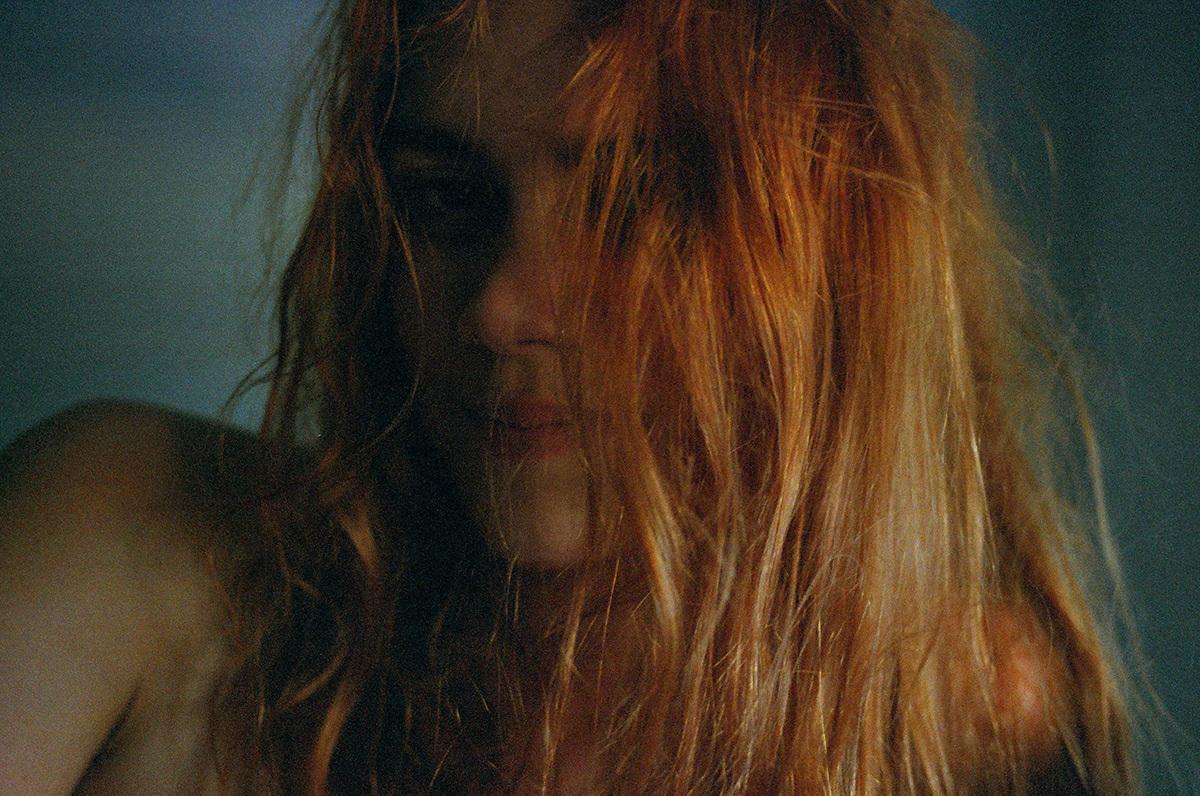
    "Sleeping and in our waking moments is as close as we come to being at peace with ourselves. These photographs represent a specific time of everyones day that I feel we most commonly find ourselves in what I believe to be our most beautiful state. Honest, unprepared and vulnerable." Sam Hiscox 

    Photography Sam Hiscox

    "The word beauty is perhaps the most coveted, influential and powerful single word, yet it also implies something so undefinable. Beauty represents opposing emotions; pleasure, pain, happiness and sadness. Whether just meeting your first love, or remembering them with longing; giving birth or crying over a death. Beauty is witnessing free emotion at its breaking point." Zachary Chick

    Photography Zachary Chick

    "In my experience beauty is the beginning of interest, without it we would never choose to investigate any further." Rory DCS

    Photography Rory DCS

    "Beauty is living exactly as you are. I think for me I'm a very optimistic person. So there's beauty in that." Tyler Mitchell

    p.p1 {margin: 0.0px 0.0px 0.0px 0.0px; font: 12.0px Helvetica} span.s1 {letter-spacing: 0.0px}

    Photography Tyler Mitchell

    "Beauty transcends physicality - when I feel someone is genuinely beautiful, it is because they have moved me in some way." Rose Maisie Willoughby 

    p.p1 {margin: 0.0px 0.0px 0.0px 0.0px; line-height: 24.0px; font: 14.7px Arial} span.s1 {letter-spacing: 0.0px}

    Photography Rose Maisie Willoughby 


    Source: young photographers explore the diversity of beauty today: part three